A wildlife safari in Akagera National Park is Rwanda’s best answer to the classic savannah trip. The park sits in the east, along the Tanzanian border. Rolling hills, papyrus lakes and open plains fill the landscape. Better still, the Big Five now roam here.
This guide explains what to expect. You will learn about wildlife, activities, costs, lodges and timing. You will also see how to fit Akagera into a Rwanda itinerary.
At Wildroots Africa Safaris, we add Akagera to many East African trips. Below, we share what visitors can look forward to.
Akagera at a Glance
Akagera is Rwanda’s only savannah park. It protects a mix of lakes, swamps, woodland and grassland. The Akagera River feeds a chain of lakes, including Lake Ihema. As a result, wildlife is varied and easy to watch.
The park suffered heavy losses in the 1990s. However, conservation work has brought remarkable recovery. Rwanda Development Board partners with African Parks to manage it. You can read about this work on the African Parks website.
A Note on Current Travel Conditions
Governments changed travel advice across the region during 2026 because of an Ebola outbreak in Central Africa. Before you book, check your government’s advice. Also read our Is Uganda safe for tourists? guide for health context. In addition, confirm that your insurance covers your route.
Getting to Akagera
Akagera lies about two to three hours from Kigali by road. The drive is smooth and scenic. Therefore, the park suits both short trips and longer circuits.
Most visitors arrive by private vehicle. Some travel by shared transport to nearby towns. A driver-guide is easier because roads inside the park are rough in places.
Entry points include the Kigali gate in the south and the Nyungwe-side track in the north. Your operator will plan the best route.
The Big Five in Akagera
Akagera is now a Big Five destination. Here is where each animal stands.
- Lions: Reintroduced in 2015 after a long absence. The population has grown.
- Black rhinos: Reintroduced in 2017 and 2019, with more arrivals later.
- Elephants: Several family herds live in the park.
- Buffalo: Common on open plains.
- Leopards: Present but elusive. Sightings are rare.
Rhinos are the most protected animals. Rangers monitor them closely. Sightings are possible, yet never guaranteed.
Other Wildlife You Will See
The park offers far more than the Big Five.
- Giraffes, including the Rothschild’s subspecies
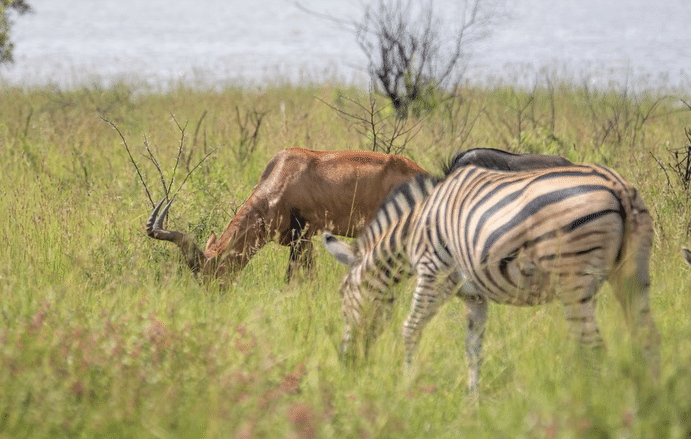
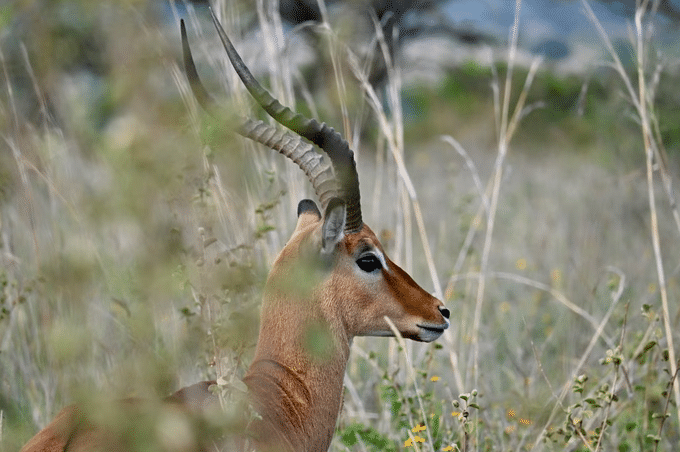
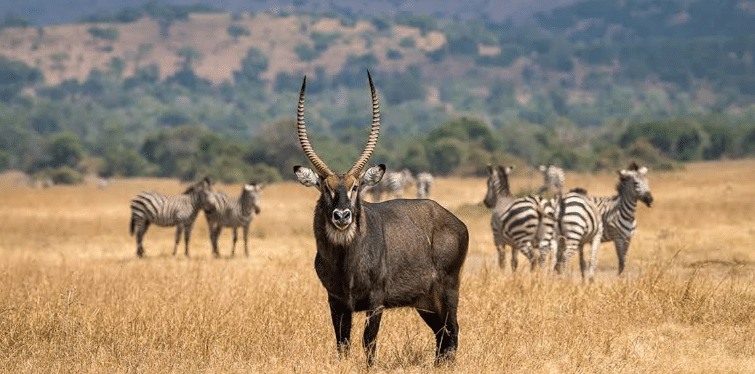
- Zebras, impalas, topis and elands
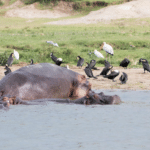
- Hippos and crocodiles in the lakes
- Hyenas and jackals
- Warthogs and baboons
- Over 480 bird species
Birders will enjoy the lakes and papyrus swamps. Highlights include the shoebill, papyrus gonolek and African fish eagle.
Game Drives
Game drives are the core activity. Rangers lead morning and afternoon drives. Each lasts about three to four hours.
The park has a network of loops. Therefore, you can explore varied habitats. Open plains in the north suit big herbivores. The southern woodlands hide more shy species.
Self-drive is possible, though a guide helps spot animals. Guides also explain animal behaviour. In addition, they know where recent sightings occurred.
Night Game Drives
Night drives reveal a different side of the park. You may see:
- Hyenas and genets
- Civets and bushbabies
- Nightjars and owls
- Occasionally, lions or leopards on the hunt
Drives use a spotlight and a ranger. Book ahead, because spaces are limited. Check availability with the park or your operator.
Boat Trips on Lake Ihema
A boat trip adds variety. You glide along the lake shoreline and see wildlife from the water.
- Hippos wallow in the shallows
- Crocodiles bask on the banks
- Fish eagles dive for prey
- Waterbirds feed in the reeds
Boat trips are calm and photogenic. Morning and late-afternoon cruises give the best light. Moreover, they are easy for all ages.
Other Activities
Akagera offers more than drives and cruises.
Guided Walks
Short walks are available in selected areas. Rangers lead you safely. You learn about plants, tracks and small creatures.
Fishing
Sport fishing is possible on Lake Ihema in some seasons. Rules apply, so ask your operator.
Cultural Visits
Nearby communities offer craft and farming experiences. These visits support local families. For tourism details, visit Visit Rwanda.
Behind-the-Scenes Experiences
Some lodges and the park offer conservation talks and ranger visits. These show how rhinos and lions are monitored.
Costs and Fees
Costs depend on activities, lodging and season. Reported figures for foreign non-residents include a daily park entry fee of roughly $50 or more. Boat trips, night drives and guided walks cost extra. Rates change, so always check with the Rwanda Development Board.
In addition, you must pay for:
- Accommodation
- Transport and driver-guide
- Meals
- Tips
For budget guidance on a neighbouring country, see our budget vs luxury safaris in Uganda guide.
Where to Stay
Lodging inside and near Akagera ranges widely.
- Luxury lodges: Large tents or villas with lake views and fine dining
- Mid-range lodges: Comfortable rooms and good service
- Tented camps: Close to nature
- Bush camps: Simple, remote and wild
Some lodges sit within the park. Others sit just outside. Inside the park, wildlife may walk through camp at night. Therefore, listen to staff instructions.
Our guide on how to choose the right safari lodge in Uganda lists factors that apply here too.
Best Time to Visit Akagera
Akagera is open all year. However, seasons shape the experience.
Dry Seasons
The dry months run from June to September and December to February. Grass is shorter, and animals gather near water. As a result, game viewing is strongest.
Wet Seasons
The wet months are March to May and October to November. The park turns green, and birdlife peaks. Crowds are smaller. However, some tracks become muddy.
For a month-by-month look at East African timing, read our best time to visit Uganda for a wildlife safari guide.
How Long to Stay
Plan at least two days. One day is rushed, since travel takes several hours.
- 1 night: A quick taste
- 2 nights: Enough for drives and a boat trip
- 3 nights: A relaxed pace with night drives and walks
Many travellers pair Akagera with gorillas in Volcanoes National Park. Read about that park in our guide to golden monkey tracking Rwanda.
Sample Itineraries
3-Day Akagera Escape
Day 1: Drive from Kigali. Afternoon game drive.
Day 2: Morning drive, boat trip and night drive.
Day 3: Early drive and return to Kigali.
7-Day Rwanda Highlights
Day 1: Arrive in Kigali.
Day 2: Drive to Akagera.
Day 3: Full safari day.
Day 4: Return to Kigali, then to Musanze.
Day 5: Gorilla trekking.
Day 6: Golden monkeys or hiking.
Day 7: Depart.
What to Pack
Pack for sun, dust and sudden rain.
- Neutral-coloured clothing
- Hat, sunscreen and sunglasses
- Binoculars and camera
- Light rain jacket
- Insect repellent
- Warm layer for early mornings
Our guide on what to pack for a gorilla trekking adventure covers most items. Remember that Rwanda bans plastic bags.
Health and Safety
Akagera lies in a malaria area. Ask your doctor about prevention. Use repellent in the morning and evening. Also carry a basic first-aid kit.
Wildlife is wild. Stay in the vehicle unless rangers advise otherwise. Do not feed or approach animals. Follow your guide at all times.
For vaccine advice, visit the CDC travel health pages.
Why Akagera Is Worth Visiting
Akagera offers a rare combination.
- Big Five wildlife in a small, easy park
- Short drive from Kigali
- Excellent lakes and birds
- A conservation success story
- Fewer crowds than larger parks
In addition, your visit supports the recovery. Park fees fund rangers, rhino protection and community projects.
Final Thoughts on a Wildlife Safari in Akagera National Park
A wildlife safari in Akagera National Park is easy to fit into any Rwanda trip. You get lions, rhinos, elephants and rich birdlife. Moreover, you stay close to Kigali.
Plan two or three nights. Add boat trips and night drives for variety. Then pair the park with gorillas for a classic mix.
Ready to plan? Browse our safari packages or request a quote. Our team at Wildroots Africa Safaris will build an itinerary for you.