Understanding Uganda visa requirements is the first step in planning your safari. Rules have changed in recent years. Visa on arrival is no longer the main option. Instead, most visitors must apply online before they fly.
This guide explains the visa process step by step. You will also find health requirements, packing advice and a preparation timeline. By the end, you will know exactly what to do before you travel.
At Wildroots Africa Safaris, we help guests with visas every week. Below, we share what we have learned.
Important: Rules Change Quickly
Visa rules, fees and health checks can change without notice. This guide reflects information available in early November 2026. Always confirm details on the official Uganda e-visa portal before you apply. In addition, check your government’s travel advice.
Do You Need a Visa for Uganda?
Most visitors do. Uganda now operates an online e-visa system. Reports for 2026 say visa on arrival is no longer available for most nationalities. Therefore, you should get approval before boarding your flight.
Some nationalities are exempt, mainly citizens of certain East African and other African countries. Rules vary, so check your own passport’s requirements on the official portal or with a Ugandan embassy.
Types of Uganda Visas
The main types for tourists are:
- Single-entry tourist visa: Usually $50 for most nationalities. Valid for up to 90 days from issue, according to 2026 guides.
- East Africa Tourist Visa: About $100. It covers Uganda, Kenya and Rwanda for 90 days with multiple entries.
- Transit visa: For short layovers.
- Business visa: For meetings and conferences.
If you plan to visit Rwanda too, the East Africa Tourist Visa can save money. Read our guide on travelling between Uganda and Rwanda for more.
How to Apply for a Uganda E-Visa
The process is straightforward.
- Visit the official portal. Use visas.immigration.go.ug. Avoid third-party sites that add fees.
- Create an account. Provide your email and details.
- Choose the visa type. Select tourist or East Africa Tourist Visa.
- Fill in the form. Enter passport, travel and accommodation details.
- Upload documents. Include a passport photo and passport scan.
- Pay online. Use a credit or debit card.
- Wait for approval. You will receive an email.
- Print the approval letter. Carry it with your passport.
Processing usually takes a few working days. Reports suggest three to nine working days for standard service. Therefore, apply at least three weeks before travel.
Documents You Will Need
Prepare these before you start.
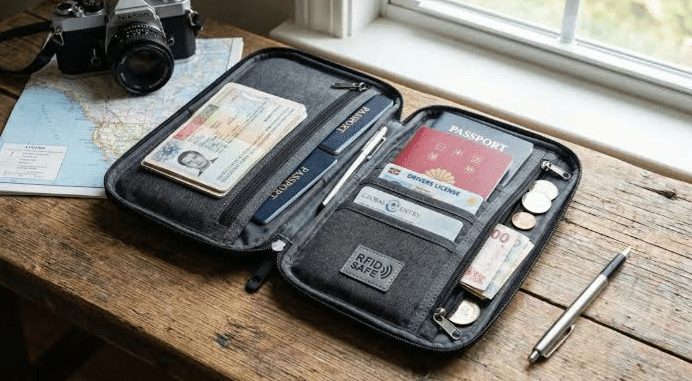
- Passport: Valid for at least six months from your entry date
- Blank pages: Keep at least one free page for the stamp
- Passport photo: Recent, with a plain background
- Travel itinerary: Flights and accommodation details
- Yellow fever certificate: Required, according to recent guides
- Payment card: Visa, Mastercard or similar
- Return or onward ticket: Immigration may ask for this
Keep digital and paper copies of everything. In addition, save your approval letter on your phone.
Yellow Fever Vaccination
Yellow fever proof is one of the most important requirements. Several 2026 guides state that visitors must carry a valid yellow fever certificate. Some sources say it applies to travellers from risk countries. Others say all travellers should carry it.
To be safe, get vaccinated and bring your yellow card. Get the vaccine at least ten days before travel. Visit a clinic early. The CDC travel health pages give vaccine guidance.
Health Screening and the 2026 Ebola Situation
Health rules have tightened in 2026. A regional Ebola outbreak began in the DRC in May. Uganda declared its own outbreak over in July. Even so, authorities announced tighter health screening in October.
Reports on 25 October 2026 say travellers may need to complete an online health declaration before arrival. Border health officials also screen all arrivals. Meanwhile, Uganda temporarily closed most crossings with the DRC during the outbreak.
Therefore, you should:
- Check the latest entry rules before you travel
- Complete any required online health forms
- Expect temperature checks and questions at the airport
- Monitor updates from the World Health Organization
Read our guide, Is Uganda safe for tourists?, for fuller context.
Gorilla and Park Permits
Permits are separate from visas. The Uganda Wildlife Authority issues them. Your operator usually books them for you. Standard gorilla permits cost $800 for foreign non-residents, with $600 in the low season. Check the current tariff on the UWA website.
Book permits before you book flights. They sell out in peak months.
Travel Insurance
Insurance is essential. Choose a policy that covers:
- Medical care and evacuation
- Trip cancellation and delays
- Lost luggage
- Adventure activities such as trekking
Check whether your insurer applies exclusions because of government travel advisories. Ask before you buy.
Money Matters
Uganda uses the Ugandan shilling. US dollars are widely accepted at lodges, though notes must be recent and in good condition. Cards work at major hotels. However, rural areas need cash.
- Carry small US dollar notes for tips
- Withdraw shillings at ATMs in towns
- Notify your bank before you travel
For budgeting help, see our guide on how much a Uganda safari costs.
Vaccinations and Health Preparation
Visit a travel clinic six to eight weeks before departure. Common recommendations include:
- Yellow fever: Required
- Hepatitis A and typhoid: Often advised
- Routine vaccines: MMR, tetanus, polio
- Malaria prevention: Ask your doctor
- Rabies: Consider if you will be in remote areas
Bring personal medication in original packaging. Also pack a small first-aid kit.
Packing and Travel Preparations
Good packing makes the trip easier. Focus on layers, rain gear and sturdy boots. Use soft bags, since small planes have weight limits. Our guide on what to pack for a gorilla trekking adventure has a full checklist.
Other preparations include:
- Power adaptor: Uganda uses UK-style type G sockets
- Power bank: Electricity can be unreliable
- Phone plan: Buy a local SIM at the airport
- Offline maps: Download them before you go
- Copies of documents: Keep them separate from the originals
A Preparation Timeline
Follow this simple timeline.
3–6 months before
- Choose your dates and operator
- Book gorilla permits
- Check passport validity
6–8 weeks before
- Visit a travel clinic
- Get your yellow fever vaccine
- Buy insurance
3–4 weeks before
- Apply for your e-visa
- Book domestic flights if needed
- Arrange foreign currency
1 week before
- Print documents
- Complete any health declarations
- Pack your bags
Day of travel
- Carry passport, approval letter and yellow card
- Keep documents in your hand luggage
Arriving at Entebbe
Entebbe International Airport is the main gateway. On arrival, you will pass health screening, then immigration. Officers may take fingerprints and a photo. Next, you collect your bags and meet your driver.
Your operator will meet you with a name sign. Keep their phone number handy. If there are delays, contact them straight away.
Other Entry Points
Travellers also enter by land. The main crossings from Rwanda are Katuna and Cyanika. From Kenya, Malaba and Busia are common. You still need an approved e-visa before arrival. Border posts do not issue visas in the same way as before.
Common Mistakes to Avoid
- Using unofficial websites: Some charge extra fees.
- Applying too late: Processing can take over a week.
- Forgetting yellow fever proof: You may be refused entry.
- Short passport validity: Six months is the usual rule.
- Skipping insurance: Medical costs can be high.
You can find tourism information on Visit Uganda.
Final Thoughts on Uganda Visa Requirements
Uganda visa requirements are simple once you know the steps. Apply online, carry your yellow fever certificate and allow enough time. Then prepare your health, insurance and packing.
Because rules change, always confirm details with official sources. Then enjoy a smooth arrival.
Ready to plan? Browse our Uganda safari packages or contact our team. Our team at Wildroots Africa Safaris will guide you through every step.