Learning how to choose the right safari lodge in Uganda can transform your trip. A lodge is more than a bed. It affects your wildlife access, comfort and mood. A great lodge adds to every day. A poor one wears you down.
This guide gives you twelve key factors to compare. You will also see lodge types, price ranges and questions to ask. By the end, you can book with confidence.
At Wildroots Africa Safaris, we visit and vet lodges across Uganda. Below, we share what we look for.
Why Your Lodge Choice Matters
Distances in Uganda are long. After a full day of driving or trekking, you want a good place to rest. In addition, lodges shape your wildlife access. Some sit inside parks. Others sit outside the gates.
A good lodge also supports conservation and local communities. Therefore, choose with care.
A Note on Current Travel Conditions
Governments changed their Uganda travel advice during 2026 because of a regional Ebola outbreak. Uganda declared its own outbreak over in July. When you book, ask about flexible cancellation terms. Also read our Is Uganda safe for tourists? guide.
Factor 1: Location
Location is the most important factor. Ask where the lodge sits in relation to the park.
- Inside the park: Wildlife may walk through camp. Mornings start earlier because game drives begin at your door.
- At the park gate: Easy access to activities.
- Outside the park: Often cheaper but with longer transfers.
For gorilla trekking, the sector matters. Bwindi has four sectors: Buhoma, Ruhija, Rushaga and Nkuringo. Your lodge should sit near your gorilla family’s trailhead. Otherwise, you may face a long early-morning drive. Read our top 10 national parks in Uganda for park details.
Factor 2: Budget
Set a realistic budget first. Lodges fall into three broad bands, per person per night.
- Budget: about $40–$100
- Mid-range: about $150–$300
- Luxury: about $400–$800 or more
Prices change by season. Our guide on budget vs luxury safaris in Uganda compares the styles in depth.
Factor 3: Type of Lodge
Lodges come in several forms.
- Safari lodges: Permanent buildings with restaurants.
- Tented camps: Canvas tents with real beds and en-suite bathrooms.
- Eco-lodges: Built with sustainability in mind.
- Guesthouses: Simple and affordable.
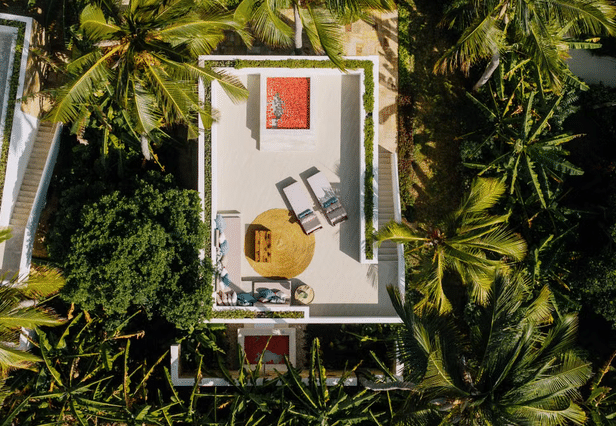
- Luxury villas: Private, spacious and premium.
Tented camps feel close to nature. Lodges offer more space. Pick what suits your style.
Factor 4: Room Quality and Comfort
Look beyond photos. Check these basics.
- Bed and bedding quality
- Private bathroom and hot water
- Mosquito nets or screens
- Power supply and charging points
- Heating in cold highland areas
- Space for luggage
Bwindi can be cold at night. A fireplace or hot-water bottle makes a big difference. Ask what the lodge provides.
Factor 5: Views and Setting
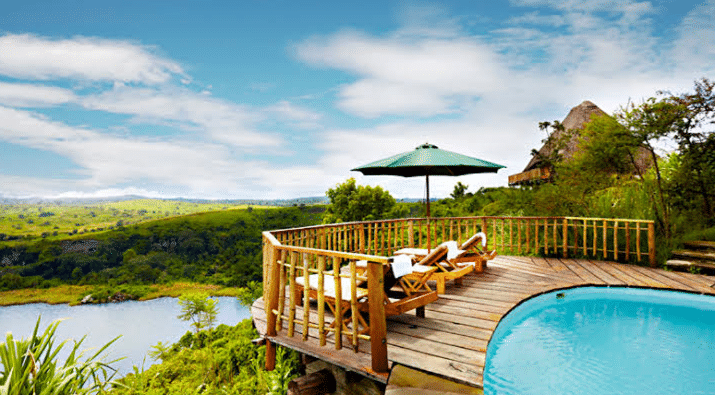
Views add magic. Some lodges overlook the Kazinga Channel. Others look over the Bwindi forest or the Nile. If scenery matters to you, check photos and reviews.
However, a great view is not everything. Comfort, food and service matter too.
Factor 6: Food and Dining
Good food makes long days better.
- Meal plan: Check if meals are included.
- Menu variety: Ask about choices.
- Dietary needs: Vegetarian, vegan, halal or allergy support.
- Packed lunches: Needed for treks and long drives.
- Water: Bottled or filtered water should be provided.
Many lodges use local produce. As a result, meals are fresh.
Factor 7: Service and Staff
Staff make the stay. Read recent reviews for comments on:
- Friendliness and professionalism
- Guide quality
- Response to problems
- Flexibility with schedules
Good lodges adapt. For instance, they offer early breakfasts on trek mornings.
Factor 8: Activities and Facilities
Check what the lodge offers.
- Guided walks
- Bird walks
- Cultural visits
- Swimming pool
- Spa or massage
- Gift shop
- Wi-Fi
A pool or massage can be a welcome reward after a gorilla trek. Meanwhile, Wi-Fi is often slow, so do not rely on it.
Factor 9: Safety and Security
Safety should be a priority.
- Security staff and procedures
- Fire safety and emergency plans
- Medical support or first-aid training
- Safe storage for valuables
- Clear emergency contact details
Governments advise tourists to be familiar with security procedures at their accommodation. Therefore, ask the lodge to explain theirs. For official guidance, see the UK FCDO Uganda advice.
Factor 10: Sustainability and Community Impact
Good lodges protect nature and help local people.
- Solar power and water saving
- Waste reduction and recycling
- Local staff and local suppliers
- Community projects and conservation partnerships
- Respect for wildlife and habitats
Your stay can support conservation. For example, some lodges fund anti-poaching or school projects. Ask how your money helps.
Factor 11: Flexibility and Cancellation Terms
Plans can change. Check these terms.
- Cancellation windows
- Deposit rules
- Rebooking options
- Weather and health-related changes
In 2026, travel advice shifted quickly. Therefore, flexible bookings give peace of mind. Also confirm your travel insurance covers cancellations.
Factor 12: Reviews and Reputation
Reviews tell the real story. Look for patterns, not single comments.
- Read recent reviews from several sites.
- Look for consistent praise or complaints.
- Check how management responds to problems.
- Ask your operator for first-hand feedback.
A licensed operator visits lodges regularly. As a result, their advice is more reliable than photos alone.
Lodge Choice by Park
Here are quick tips by park.
Bwindi Impenetrable National Park
Choose a lodge near your gorilla sector. Cold nights are common. Warm blankets and fires are valuable.
Queen Elizabeth National Park
Pick between Mweya, Kasenyi, Ishasha and the crater lakes. Mweya has Kazinga Channel views. Ishasha is best for tree-climbing lions.
Murchison Falls National Park
Choose north or south of the Nile. North has more game. South is closer to the falls.
Kibale Forest
Stay near Fort Portal or by the crater lakes. Many lodges offer forest walks.
Kidepo Valley National Park
Lodges are few and remote. Book early.
Lake Mburo
Stay inside the park for walking safaris and night drives.
Red Flags to Avoid
Watch for warning signs.
- Very low prices: They may hide poor standards.
- No recent reviews: The lodge may be closed or declining.
- Vague photos: Real lodges show real rooms.
- No clear policies: Good lodges are transparent.
- Pressure to pay quickly: Be careful with unusual payment demands.
Questions to Ask Before You Book
Use this checklist.
- How far is the lodge from the park gate or trailhead?
- What is included in the price?
- What meals and drinks are covered?
- What is the power supply like?
- Is hot water available at all hours?
- What is the cancellation policy?
- Are there any seasonal closures?
- How does the lodge support the community?
- What are the security procedures?
- Can you accommodate dietary needs?
Booking Through an Operator
A trusted operator simplifies lodge booking. They know the best rooms and seasons. In addition, they can negotiate rates and handle changes. Compare their package against booking separately. Packages often save money.
See our Uganda safari packages for sample lodge combinations. For more on park rules, visit the UWA website.
Final Thoughts on How to Choose the Right Safari Lodge in Uganda
How to choose the right safari lodge in Uganda comes down to location, comfort, service and values. Match your budget to your priorities. Check reviews and ask good questions.
Remember that a lodge is part of the experience. A well-chosen one makes every day better.
Ready to plan? Contact our team for lodge advice, or read our guide on how much a Uganda safari costs. Our team at Wildroots Africa Safaris will match you with the right lodges. For tourism information, visit Visit Uganda.