Combining gorilla trekking and Serengeti safari experiences in one trip is the closest thing to a complete African adventure. In the first few days, you sit a few meters from a mountain gorilla family in misty rainforest. A few days later, you watch lions, elephants and endless herds cross a golden plain beneath a huge sky. Few journeys offer such a dramatic change of scene.
However, planning this route raises real questions. Which country do you start in? How do you get from the forest to the plains? When is the right season for both? This guide answers each one, with timing, logistics, visas, packing and a sample itinerary you can adapt.
Why Combine Gorillas and the Serengeti?
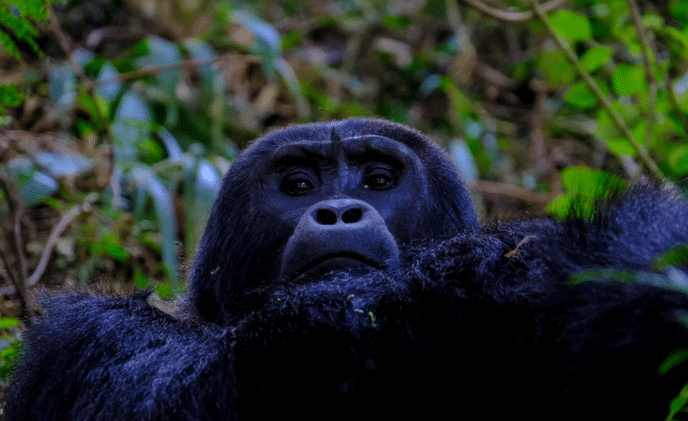
The two experiences are completely different, and that is the point. Gorilla trekking is intimate, quiet and emotional. You hike through dense forest, then spend an hour with a family that treats you with calm curiosity. The Serengeti is the opposite: wide open, loud with life and full of drama.
Together, they cover the two great faces of Africa. One is the rainforest, with its mist, primates and birds. The other is the savanna, with its predators, grazers and migration. A trip that includes both feels balanced rather than repetitive.
There is a practical reason too. Both experiences are best planned months ahead, because gorilla permits are limited and Serengeti lodges fill in peak season. Booking them together lets you align your dates, and a single operator can coordinate flights, transfers and permits.
Where to See the Gorillas
Mountain gorillas live only in a few protected areas, so your choice of country matters.
Uganda
Uganda protects mountain gorillas in Bwindi Impenetrable National Park and Mgahinga Gorilla National Park. Bwindi is a UNESCO World Heritage Site and holds around half of the world’s remaining mountain gorillas. Treks vary in length and difficulty, and the forest is dense, steep and beautiful. Permits are issued through the Uganda Wildlife Authority, and they are limited each day. Uganda also offers chimpanzee tracking, big game and the Nile, so it is a rich place to start. Explore our gorilla trekking safaris and Uganda safari packages for ideas.
Rwanda
Rwanda’s Volcanoes National Park offers gorilla trekking in a compact, well-organized setting. Permits usually cost more than in Uganda, but access is easy, and Kigali is a convenient gateway. If you want a shorter, smoother gorilla leg before heading to Tanzania, Rwanda is a strong option.
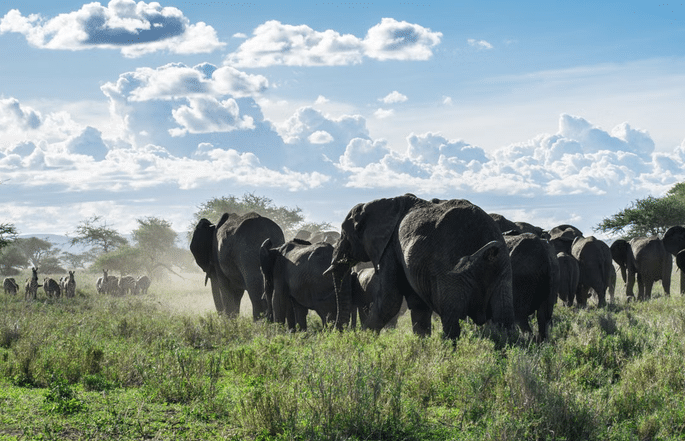
The Serengeti: Africa’s Great Stage
Tanzania’s Serengeti National Park is a UNESCO World Heritage Site and the setting for the largest overland migration on Earth. More than a million wildebeest, together with zebra and gazelle, move in a continuous cycle in search of fresh grass and water.
The herds are in different places at different times, so timing matters. In the southern plains, around the Ndutu area, calving season usually runs from about January to February. In the western corridor and the Grumeti River, herds often move through in May and June. In the north, dramatic Mara River crossings typically occur from July to October. Meanwhile, resident wildlife is excellent all year. Lions, leopards, cheetahs and elephants live here permanently, so there is always something to see.
Rules and park information are available from Tanzania National Parks and the UNESCO Serengeti page explains the park’s global importance.
Ngorongoro Crater and Tarangire
Most Serengeti trips include Ngorongoro Crater, a collapsed volcano whose floor forms a natural wildlife enclosure. Lions, hippos, buffalo and endangered black rhinos live here, and game viewing is superb in a small area. Tarangire National Park is another favorite, known for ancient baobab trees and large elephant herds, especially in the dry season. Lake Manyara adds birdlife and scenery. See our Tanzania safari options for combinations.
Which Order Works Best?
You can do either order, but we usually recommend starting with the gorillas. Here is why:
- Trekking is physical. It is easier when you are fresh at the start.
- Permits are fixed. Gorilla permits fix your dates, so build the rest around them.
- The Serengeti is a relaxed finish. Game drives are comfortable, so you can unwind after the hike.
- It ends on a high. Finishing with the open plains and a sunset game drive is hard to beat.
That said, some travelers prefer to end with gorillas as an emotional finale. Either way works, as long as your dates and flights are planned carefully.
How to Get From the Forest to the Plains
The distance between the two regions is the main logistical challenge, so planning matters.
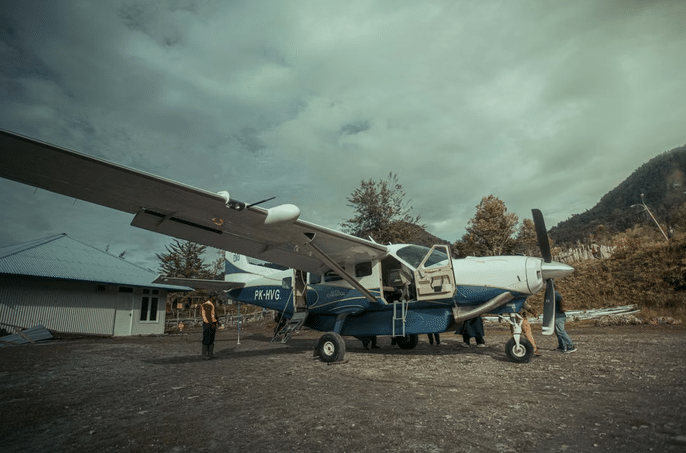
Most travelers fly. Routes usually connect Entebbe or Kigali to Kilimanjaro or Arusha in northern Tanzania, sometimes with a connection in Nairobi or another hub. Flight schedules change, so your operator will confirm the best options for your dates. Once in Tanzania, you can drive or take a light aircraft to the Serengeti. Flying between parks saves time but limits luggage to soft bags.
Alternatively, you can add Kenya on the way. This lets you include the Maasai Mara and make the journey more gradual. Our Kenya safari tours pair neatly with this route.
Overland travel is possible but long, and it rarely makes sense for short trips. Therefore, for most itineraries, flights are the best choice.
Visas and Entry Rules
Rules differ by country and change often, so always check official sources before you book.
Uganda and Tanzania each have their own entry requirements. The East Africa Tourist Visa covers Uganda, Kenya and Rwanda, but not Tanzania. As a result, if your route includes Tanzania, you need a separate Tanzanian visa in addition to any Ugandan or Rwandan one. Regional governments have discussed a shared visa that would include Tanzania, but you should not assume it exists until it is officially launched.
Health rules matter as well. Yellow fever vaccination certificates may be requested when you travel between countries. Visit a travel clinic several weeks before departure and check current advisories. Also confirm that your passport is valid for at least six months and has blank pages.
Best Time to Travel
Because you are combining two very different environments, think about both.
- Gorilla trekking: Trekking runs all year. The drier months, roughly June to September and December to February, make trails easier.
- Serengeti: The migration moves through the year, but June to October is excellent for general wildlife and river crossings, while January and February suit calving season.
Overall, June to October works well for both halves of the trip. However, the shoulder months bring fewer crowds and greener scenery, so do not rule them out. Either way, book early, because permits and popular lodges sell out.
A Sample 12-Day Itinerary
This route links forest and savanna at a steady pace. We can shorten, extend or reorder it.
- Day 1: Arrive in Entebbe, Uganda. Rest and prepare.
- Day 2: Travel toward Bwindi, by road with scenic stops or by a short domestic flight.
- Day 3: Gorilla trekking in Bwindi. Spend your hour with the family, then relax.
- Day 4: Optional community or forest walk, then return toward Entebbe.
- Day 5: Fly from Entebbe to northern Tanzania. Overnight near Arusha.
- Day 6: Drive to Tarangire National Park for elephants and baobabs.
- Days 7-9: Serengeti National Park, with full-day game drives matched to where the herds are.
- Day 10: Travel to the Ngorongoro Crater rim.
- Day 11: Descend into Ngorongoro Crater for a half-day game drive, then return to Arusha.
- Day 12: Depart from Kilimanjaro or Arusha.
For more time, add Kibale Forest for chimpanzees or Queen Elizabeth National Park for tree-climbing lions. After the Serengeti, consider Zanzibar for a beach finish. Our team can help you request a custom itinerary that fits your dates and budget.
Practical Tips
A little preparation makes the trip smoother.
Fitness. You do not need to be an athlete for gorilla trekking, but you should be comfortable walking uphill for a few hours. Porters are available and support local families.
Packing. Pack for two climates. For the forest, bring waterproof layers, long trousers, hiking boots, gloves and insect repellent. For the Serengeti, bring lightweight neutral clothing, a warm fleece for cold mornings, a hat and sunscreen. Use soft bags if you will fly in light aircraft. Binoculars and a camera with a good zoom improve both legs.
Gorilla etiquette. Keep your distance, speak softly and follow your ranger’s instructions. Stay away if you are ill, because gorillas are vulnerable to human illnesses.
Budget. Costs depend on your season, accommodation level, permits, park fees and flights. Gorilla permits are a major expense, so factor them in first. Ask us for a tailored quote.
Insurance. Buy a policy that covers medical evacuation, trip interruption and cancellations. Multi-country trips have more moving parts.
Responsible travel. Choose lodges and operators that support conservation and communities, and avoid single-use plastics. You can learn more about our approach on our about page.
Why Plan With WildRoots Africa Safaris
A journey across two countries involves permits, flights, transfers and park fees. One missed detail can cost you a trekking day or a migration viewing. Therefore, a local expert makes a real difference.
At Wild Roots Africa Safaris, we design trips around your goals and handle the logistics so you can focus on the experience. Our guides know these landscapes closely, and we match every itinerary to your pace, interests and budget. Whether you want luxury lodges or a more budget-friendly adventure, we will shape the trip with you.
Frequently Asked Questions
Can I combine gorilla trekking and a Serengeti safari in one trip?
Yes. Most travelers fly between Uganda or Rwanda and northern Tanzania. A trip of 10 to 14 days works well.
Should I do the gorillas or the Serengeti first?
We usually recommend gorillas first, because trekking is physical and permits fix your dates. The Serengeti then makes a relaxed finish.
Is the East Africa Tourist Visa valid for Tanzania?
No. It covers Kenya, Uganda and Rwanda only. Tanzania needs its own visa, so check current rules before you travel.
What is the best time for both experiences?
June to October is popular because of drier weather and strong wildlife viewing. Shoulder months are quieter and greener.
How early should I book?
As early as possible, especially for gorilla permits and peak-season Serengeti lodges. Several months ahead gives you the best choice.
Start Planning Your Gorilla Trekking and Serengeti Safari
Mist-covered forests, quiet moments with gorillas, then golden plains alive with wildlife: this is Africa at its best. A gorilla trekking and Serengeti safari gives you both worlds in one unforgettable journey.
Ready to begin? Contact wildroots Africa Safaris today, and we will craft a personalized itinerary that turns your plan into a real journey.