Many travellers pass through the capital on the way to the gorillas. However, if you explore Kigali properly, you will find a city full of character. It is clean, green and hilly. It is also deeply moving and surprisingly creative.
This guide covers history, culture, food and day trips. You will also find tips on getting around and staying safe. By the end, you will know how to spend one to three days well.
At Wildroots Africa Safaris, we encourage guests to spend time in Kigali. Below, we share our favourite stops.
About Kigali
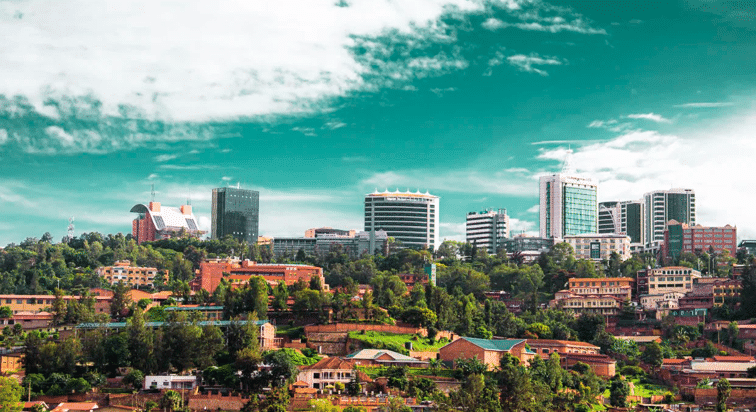
Kigali sits in the centre of Rwanda, spread across rolling hills. It is the country’s capital and largest city. Kigali has a reputation for cleanliness and order. Plastic bags are banned, and streets are well kept.
The city also carries a painful past. The 1994 genocide against the Tutsi devastated Rwanda. Today, Kigali stands as a symbol of recovery. Visiting helps you understand the country’s journey.
A Note on Current Travel Conditions
Governments changed travel advice across the region during 2026 because of an Ebola outbreak in Central Africa. Check your government’s advice and current Rwanda entry rules before you travel. For health context, read our Is Uganda safe for tourists? guide.
Getting to Kigali
Kigali International Airport receives flights from Europe, the Middle East and Africa. Many visitors arrive here and drive to Volcanoes National Park. Others fly into Entebbe and cross by road. Our guide on travelling between Uganda and Rwanda explains the options.
History: Memorials and Museums
Start with history. It gives the city context.
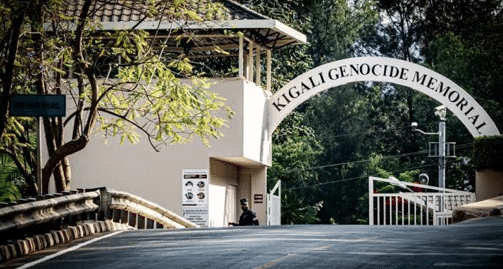
Kigali Genocide Memorial
This memorial is the most important site in the city. It is the resting place of over 250,000 victims. Exhibits explain the events of 1994, the roots of the tragedy and stories of survivors.
Plan at least two hours. The visit is emotional. Therefore, give yourself time afterwards. The memorial also has gardens for quiet reflection. For details, visit the Kigali Genocide Memorial website.
Campaign Against Genocide Museum
This museum sits in the Parliament building. It tells the story of the RPF campaign that ended the genocide. Exhibits include bullet-scarred walls.
Kandt House Museum
Also called the Museum of Natural History, it shows Kigali’s colonial-era history. It also has displays on wildlife and geology. A small reptile house adds interest.
Hotel des Mille Collines
This hotel became known worldwide because it sheltered many people during the genocide. You can visit for lunch or a drink. Its story inspired a famous film.
Art and Culture
Kigali has a growing creative scene.
Inema Arts Centre
Inema is one of Rwanda’s best contemporary art spaces. You can see paintings, sculptures and installations. In addition, you can watch artists at work and buy pieces.
Rwanda Art Museum
Housed in the former presidential palace, this museum shows Rwandan art. It also explains the building’s history.
Nyamirambo Women’s Centre
This community project offers walking tours of Nyamirambo, one of Kigali’s liveliest districts. Local women lead the tours. You meet residents, taste food and learn crafts.
Traditional Dance and Music
Rwandan dance is energetic and beautiful. Intore dancers perform at cultural venues and hotels. Ask your operator about shows.
Markets and Shopping
Shopping in Kigali is relaxed and fun.
- Kimironko Market: A large local market with fabrics, produce and crafts.
- Nyarugenge Market: Busy and colourful.
- Craft shops: Baskets, peace baskets, jewellery and paintings.
- Modern malls: Kigali Heights and Kigali City Tower have shops and cafés.
Bargain politely in markets. Prices in malls are fixed. Peace baskets, or agaseke, make popular gifts.
Food and Drink
Kigali’s food scene has grown fast.
Local Dishes
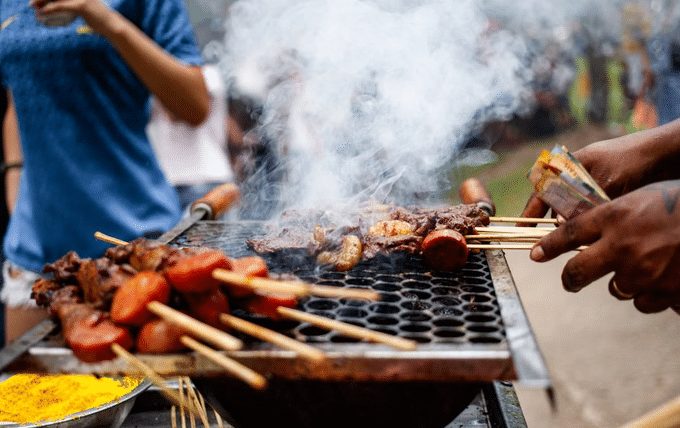
- Brochettes: Grilled meat skewers
- Isombe: Cassava leaves with eggplant
- Ugali and fish: Often tilapia
- Akabenz: Fried pork
- Fresh tropical fruit
Coffee
Rwandan coffee is excellent. Cafés across the city serve it fresh. Try a tasting session or visit a coffee shop that roasts locally.
Dining Out
Restaurants range from street stalls to fine dining. Many offer international menus. Meanwhile, rooftop bars give pretty city views.
Modern Kigali
Kigali is also a modern capital.
- Kigali Convention Centre: A striking dome-shaped building
- Car-free days: Some streets close to cars on certain days for exercise and events
- Clean streets: Residents join monthly community service, called umuganda
- Tech and start-ups: The city is growing as a regional hub
Umuganda takes place on the last Saturday of each month. Businesses may close for part of the morning. Therefore, plan your day around it.
Day Trips From Kigali
Kigali works as a base for short trips.
Nyamata Genocide Memorial
This church memorial lies south of the city. It shows the human cost in a powerful way.
Lake Muhazi
Lake Muhazi offers boating and relaxing lakeside lunches. It is about an hour from Kigali.
Akagera National Park
Akagera is about two to three hours away. It suits a wildlife safari from the city. Read our guide to a wildlife safari in Akagera National Park for details.
Volcanoes National Park
Volcanoes lies two to three hours north. Many visitors trek gorillas from Kigali. Our guide on golden monkey tracking Rwanda shows what else to do there.
Getting Around Kigali
Transport is easy.
- Taxis and ride-hailing apps: Convenient and affordable
- Moto-taxis: Cheap and fast, but riskier
- Buses: Cheap, with set routes
- Walking: Pleasant in some districts, though hills are steep
- Private driver: Best for sightseeing
Always wear a helmet on moto-taxis. Agree prices before you start unless a meter is used.
Where to Stay
Kigali offers many stays.
- Luxury hotels: Pools, spas and top service
- Boutique guesthouses: Charming and personal
- Mid-range hotels: Good value
- Budget hostels: Social and simple
The city centre and Kiyovu suit first-timers. Nyamirambo is lively and local. Kimihurura has many restaurants.
Best Time to Visit
Kigali enjoys mild weather all year. Temperatures stay comfortable because of altitude. The dry seasons run from June to September and December to February. Wet months are March to May and October to November.
Therefore, you can visit any time. Bring a light rain jacket just in case.
Safety and Etiquette
Kigali is among the safest African capitals. Even so, take normal care.
- Do not leave valuables in view
- Avoid walking alone late at night
- Dress modestly
- Show respect at memorials
- Ask before photographing people
- Do not photograph military or government sites
Note that drone use is restricted. Keep your drone at home. For official tourism information, visit Visit Rwanda.
Suggested Itineraries
1 Day in Kigali
Morning: Kigali Genocide Memorial.
Lunch: Local restaurant.
Afternoon: Inema Arts Centre and Kimironko Market.
Evening: Dinner with city views.
2 Days in Kigali
Add the Campaign Against Genocide Museum, Nyamirambo walking tour and a coffee tasting.
3 Days in Kigali
Add a day trip to Lake Muhazi or Nyamata.
Final Thoughts on How to Explore Kigali
If you explore Kigali, you will find more than a gateway city. You will find history, art, food and warm people. Give yourself at least one full day. Start with the memorial, then enjoy the creative side.
Ready to plan? Browse our safari packages or request a custom quote. Our team at Wildroots Africa Safaris will add Kigali to your itinerary. See our list of places to visit in Rwanda for more ideas.