Is Uganda safe for tourists? This is a fair question, and it deserves an honest answer. Millions of visitors have enjoyed Uganda’s gorillas, savannahs and friendly people. However, 2026 has brought real concerns, including health alerts and changing government advice.
This guide explains the risks and the reasons many travellers still go. You will see what governments say, what the health situation is and how to prepare. We do not hide the difficult parts, because informed travellers make better decisions.
At Wildroots Africa Safaris, your safety is our priority. Below, we share what we know as of November 2026. Conditions change, so always verify with official sources.
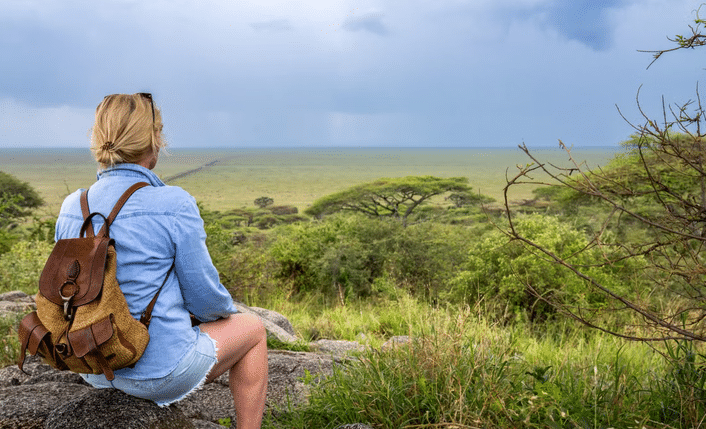
Many visitors travel safely in Uganda each year, especially on organised safaris. Nevertheless, risks exist, and government advice in 2026 is stricter than usual. You should read current advisories, buy suitable insurance and decide with your own risk tolerance.
In short, Uganda is not risk-free. Yet careful planning reduces most risks.
What Governments Are Saying
Government advice varies by country and changes often.
During 2026, several governments raised their Uganda advice. The US State Department issued a Level 4 “Do Not Travel” advisory in June 2026, citing crime, health, terrorism and unrest. The UK, Canada and other governments also issued strong warnings during the Ebola outbreak. Canada’s advice was updated again in October, and the wording differs from earlier months.
Because advice keeps shifting, check the latest versions directly:
Also check your own government’s site. Insurers often follow these advisories. Therefore, a high advisory level can affect your cover.
Health Safety: The 2026 Ebola Situation
Health is the biggest topic this year. Here are the facts as reported by health authorities.
- An Ebola outbreak caused by the Bundibugyo virus began in the Democratic Republic of Congo in May 2026.
- Uganda reported cases linked to that outbreak. The WHO declared a public health emergency of international concern in May.
- Uganda discharged its last patient in July and declared its outbreak over on 28 July 2026.
- The outbreak continues in the DRC, and cases have been reported in other countries, including Kenya and Nigeria.
- In October, Uganda ordered a 21-day quarantine for citizens returning from the DRC. The government also says it has no active cases.
Therefore, Uganda’s own outbreak has ended, yet the regional situation is not over. Follow updates from the World Health Organization. Also read the US Embassy’s health alerts and your own government’s guidance.
Safari areas in the southwest, such as Bwindi, lie far from the DRC’s outbreak zone in Ituri. However, you should still follow health advice and avoid travel to affected regions.

Other Health Risks
Several routine risks apply year-round.
- Malaria: Present across Uganda. Ask your doctor about prevention, and use repellent.
- Yellow fever: Uganda requires proof of vaccination.
- Traveller’s stomach: Drink bottled or treated water.
- Altitude: Gorilla parks sit at high altitude. Take it easy on arrival.
- Medical care: Good care is limited outside Kampala. Evacuation cover is important.
See the CDC travel health pages for vaccine guidance. Visit a travel clinic six to eight weeks before departure.
Terrorism and Security
Terrorism is a recognised risk. In 2023, an attack near Queen Elizabeth National Park killed tourists, and security has increased since. The UK advises against all but essential travel to Semuliki National Park. Government advisories also warn that attacks could target places frequented by tourists.
In practice, most safari routes are patrolled by park rangers and the Uganda Tourism Police. Operators monitor local conditions and adjust routes. Nevertheless, you should:
- Follow your guide’s advice
- Avoid crowded events and demonstrations
- Stay in lodges with good security
- Avoid border areas with the DRC unless your operator advises otherwise
Political Situation and Unrest
Uganda held presidential and parliamentary elections on 15 January 2026. Political activity brought demonstrations and security measures at that time. Tourist areas were largely unaffected, according to the tourism board. However, protests can happen with little warning.
Avoid demonstrations and large gatherings. Also expect possible internet disruptions around political events. The UK also noted a monthly “national cleaning day” curfew in 2026, so check local restrictions with your operator.
Crime
Most visitors do not experience serious crime. However, petty theft happens, especially in busy areas.
Use these simple precautions.
- Do not display valuables. Phones, cameras and jewellery attract thieves.
- Avoid walking alone at night.
- Use trusted taxis or your operator’s driver.
- Keep copies of your passport.
- Use hotel safes.
- Be careful with bags in Kampala markets.
Government advice says tourists who show signs of wealth may be targeted. Armed attacks on tourists are considered unlikely. Even so, caution is wise.
Road Safety
Road accidents are one of the biggest practical risks. Roads can be crowded and poorly lit. Motorbike taxis, known as boda bodas, are especially risky.
Follow these tips.
- Use an experienced driver-guide.
- Avoid driving at night.
- Wear a seatbelt.
- Avoid boda bodas when possible.
- Allow extra travel time in rain.
Driving yourself is not recommended for first-time visitors.
Safety on Safari
Wildlife safety is simple when you follow rules.
- Stay in the vehicle during game drives unless your guide says otherwise.
- Keep your distance from animals.
- Listen to rangers on treks and walks.
- Do not feed wildlife.
- Keep voices low near animals.
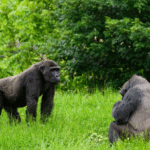
On gorilla treks, armed rangers lead the group. Trails can be steep and slippery. Therefore, wear sturdy boots and follow your guide. See our what to pack for a gorilla trekking adventure guide.
LGBTQ+ Travellers
Uganda has strict anti-LGBTQ+ laws. Same-sex activity is illegal, and penalties are severe. Government advice urges LGBTQ+ travellers to consider the risks carefully. Public displays of affection are best avoided by all travellers. This is an important factor for anyone planning a trip.
Women Travelling Alone
Many women travel in Uganda safely, particularly on organised tours. Dress modestly in towns. Avoid walking alone at night. In addition, book reputable lodges and use trusted transport.
Drone and Photography Rules
Drones face strict rules. Importing one without permission can lead to legal trouble. Photographing military sites, government buildings and airports is not allowed. Therefore, leave drones at home and ask before photographing officials.
How to Travel Safely: Practical Steps
Follow these steps to lower your risks.
- Read current advisories from your government, the WHO and the CDC.
- Buy comprehensive insurance with medical evacuation and cancellation cover. Confirm it covers your destination under current advisories.
- See a travel clinic for vaccines and malaria advice.
- Use a licensed operator. Look for licences and real reviews.
- Register with your embassy if your government offers this.
- Share your itinerary with family.
- Carry emergency contacts.
- Stay flexible. Choose bookings with flexible terms where possible.
You can find tourism information on Visit Uganda and park information on the UWA website. Apply for your visa through the official Uganda e-visa portal.
Questions to Ask Your Safari Operator
Ask your operator these questions before you book.
- Do you hold a valid licence?
- How do you monitor security and health updates?
- What is your cancellation and rebooking policy?
- What happens in a medical emergency?
- Which routes avoid higher-risk areas?
- How are your drivers trained?
A good operator answers clearly and honestly.
Why Many Travellers Still Choose Uganda
Despite the risks, Uganda remains a rewarding destination. Visitors praise the warm welcome, the gorillas and the wildlife variety. Tourism supports conservation and local jobs. Operators and authorities have kept national parks running through 2026.
Still, comfort levels differ. Some travellers choose to wait until advisories ease. Others go with extra care. Both choices are reasonable. Your decision should reflect current facts, your health and your insurance.
For planning help, read our guides on how much a Uganda safari costs and the best time to visit Uganda for a wildlife safari.
Final Thoughts: Is Uganda Safe for Tourists?
So, is Uganda safe for tourists? The honest answer is that it depends on current conditions and your preparation. Many visitors travel safely, and parks are patrolled. However, 2026 brought elevated advisories, a regional Ebola outbreak and ongoing security concerns.
Read official advice, buy proper insurance and use a trusted operator. Then decide with full information.
If you have questions, contact our team. We will answer them openly. You can also browse our Uganda safari packages when you are ready. Our team at Wildroots Africa Safaris will keep your trip safe and flexible.