An East African safari is the best way to see Africa’s wildlife at its most diverse. In just two weeks, you can look into the eyes of a mountain gorilla, watch wildebeest pour across a river, and peer into the world’s largest intact volcanic caldera. No other region packs so much into one journey.
However, most travelers pick a single country. That is a missed opportunity. Uganda, Kenya and Tanzania each offer something the others cannot match, and together they form a complete adventure. This guide explains what each country does best, when to go, and how to combine them into one unforgettable trip.
Why Choose an East African Safari Across Three Countries?
Each country has its own strengths. Uganda is the primate capital of the continent. Kenya delivers classic savanna scenes and rich Maasai culture. Tanzania offers vast, wild landscapes and the most famous ecosystem on Earth.
Combining them also makes practical sense. The three countries share borders, a similar travel season and strong tourism infrastructure. Therefore, you can design a single itinerary that flows from forest to savanna to crater without repeating the same experience twice.
A multi-country trip also lets you spread risk. If rain affects one region, another is likely to be at its best. Moreover, you experience three distinct cultures, cuisines and landscapes on one ticket.
Uganda: Gorillas, Chimpanzees and the Source of the Nile
Uganda is where your East African safari gets truly intimate. The country is famous for primates, but it also offers waterfalls, lakes, savanna and snow-capped mountains.
Gorilla Trekking in Bwindi Impenetrable National Park
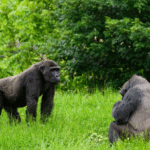
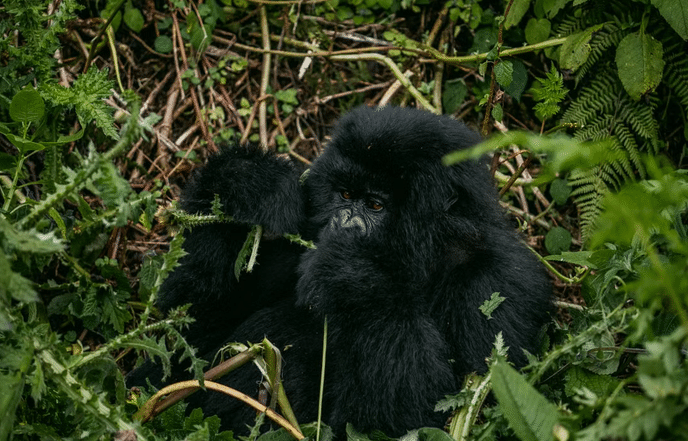
Bwindi is a UNESCO World Heritage Site and home to roughly half of the world’s remaining mountain gorillas. Trekking here is physical. You hike through dense, misty forest, often for several hours, guided by trackers who know each gorilla family.
Then the moment arrives. You step into a clearing and the gorillas are simply there, feeding, grooming and playing. Visitors typically spend one hour with a family. Many travelers call it the highlight of their lives. Permits are limited and sell out early, so book well ahead through the Uganda Wildlife Authority
Chimpanzees in Kibale Forest
Kibale National Park holds one of the highest primate densities in Africa. Chimpanzee tracking here is lively and loud. You may also spot red colobus monkeys, L’Hoest’s monkeys and many bird species.
Queen Elizabeth National Park and Murchison Falls
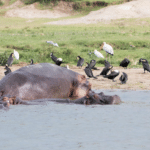
Queen Elizabeth National Park combines open plains, crater lakes and the Kazinga Channel. A boat cruise there brings you close to hippos, buffalo and elephants. In the Ishasha sector, you may even see tree-climbing lions resting in fig trees.
Murchison Falls National Park is Uganda’s largest park. Here the Nile forces itself through a narrow rocky gap and plunges downward with tremendous force. Game drives reveal giraffes, lions and elephants, while a river cruise to the base of the falls is unforgettable. For planning help, see our Uganda safari packages.
Kenya: Classic Savanna and the Maasai Mara
Kenya gives you the safari scenery most people picture: golden grass, acacia trees and enormous skies. It also has some of the best guiding standards in Africa.
The Maasai Mara and the Great Migration
The Maasai Mara is the star. It is famous for its dense predator populations, including lions, leopards and cheetahs. From roughly July to October, huge herds of wildebeest and zebra arrive from Tanzania’s Serengeti. Dramatic river crossings follow, with crocodiles waiting in the water.
Even outside migration season, the Mara is rewarding. Resident wildlife is excellent year-round. In addition, you can visit a Maasai community to learn about their traditions and way of life.
[IMAGE 3: Kenya section]
Filename: great-migration-maasai-mara-river-crossing.jpg
Alt text: Wildebeest crossing the Mara River during the Great Migration, a highlight of any safari in East Africa
Amboseli, Samburu and Lake Nakuru
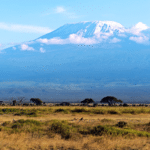
Amboseli National Park is known for large elephant herds set against Mount Kilimanjaro. It is a photographer’s dream, especially at sunrise.
Samburu National Reserve in the north feels different. Its dry landscape is home to species rarely seen farther south, including Grevy’s zebra, reticulated giraffe and gerenuk. Lake Nakuru, meanwhile, offers a compact park with rhinos, birdlife and scenic views. The Kenya Wildlife Service manages these parks and publishes current visitor information. To explore routes, browse our Kenya safari tours.
Tanzania: The Serengeti, Ngorongoro and Beyond
Tanzania is vast, wild and spectacular. It holds some of the most protected land in Africa, and its northern circuit is a must for any East African safari.
The Serengeti
The Serengeti is a UNESCO World Heritage Site and home to the largest overland migration on Earth. Over a million wildebeest, along with zebra and gazelle, follow the rains in a never-ending cycle. Calving season, usually between January and February in the southern plains, draws predators and creates intense wildlife action.
Because the Serengeti is so large, the herds are in different places at different times of year. Choosing the right region and the right month matters. A knowledgeable operator can match your dates to where the action is.
Ngorongoro Crater
The Ngorongoro Crater is a collapsed volcano whose floor forms a natural wildlife enclosure. Lions, elephants, hippos, buffalo and endangered black rhinos live here. Game viewing is superb in a small area, so you can see a great deal in half a day. Details on conservation and park rules are available from Tanzania National Parks
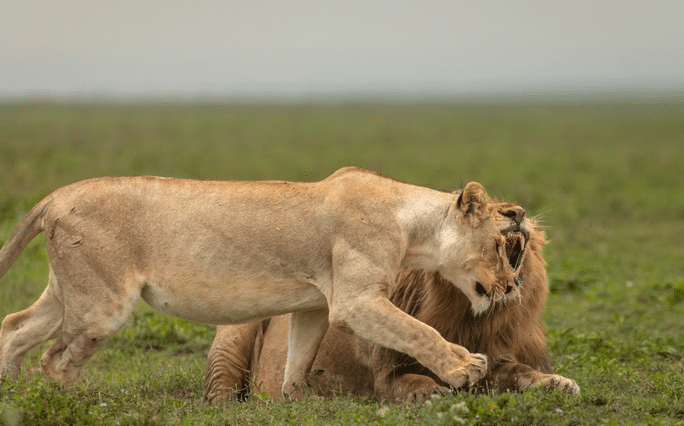
Tarangire and the Zanzibar Extension
Tarangire National Park is famous for ancient baobab trees and big elephant herds, especially in the dry season. It is also quieter than the Serengeti, which many travelers appreciate.
After a busy safari, consider ending on the coast. Zanzibar offers white beaches, warm water and historic Stone Town, which is itself a UNESCO World Heritage Site. It is the ideal place to rest and reflect. Explore our Tanzania safari options for beach extensions.
Best Time to Visit Each Country
Timing shapes your experience, so plan carefully.
- Uganda: June to September and December to February are the driest months. Gorilla trekking is easier on dry trails, though it is possible year-round.
- Kenya: July to October is best for the Great Migration in the Maasai Mara. January to February is also excellent for dry-season game viewing.
- Tanzania: June to October is ideal for general wildlife. January to February suits calving season in the southern Serengeti.
Overall, June to October works well for all three countries. However, shoulder months bring fewer crowds and lush scenery, so do not rule them out.
Sample 14-Day Uganda, Kenya and Tanzania Itinerary
This route shows how a single East African safari can link all three countries. It is ambitious, so we can adjust the pace or add days.
- Day 1: Arrive in Entebbe, Uganda, and rest.
- Days 2-3: Murchison Falls National Park for game drives and a Nile cruise.
- Day 4: Travel to Kibale Forest for chimpanzee tracking.
- Day 5: Queen Elizabeth National Park, including a Kazinga Channel boat cruise.
- Days 6-7: Bwindi for gorilla trekking.
- Day 8: Return to Entebbe and fly to Nairobi, Kenya.
- Days 9-10: Maasai Mara for full-day game drives.
- Day 11: Fly to Arusha, Tanzania, and continue toward Tarangire.
- Days 12-13: Serengeti National Park.
- Day 14: Ngorongoro Crater, then depart from Arusha or Kilimanjaro.
Do you want something different? You can request a custom itinerary built around your budget, interests and dates.
Practical Tips for Your East African Safari
A little preparation goes a long way.
Visas and entry. Requirements change, so always check official sources before you travel. Uganda and Kenya both offer online application systems. The East Africa Tourist Visa covers Uganda, Kenya and Rwanda, but not Tanzania, so you will need separate entry for Tanzania. Confirm current rules close to your departure date.
Health. Visit a travel clinic several weeks before departure. Ask about malaria prevention, routine vaccinations and yellow fever requirements. Also carry travel insurance that covers medical evacuation.
Packing. Pack neutral-colored, lightweight layers, a warm fleece for early mornings, a hat, sunscreen and sturdy walking shoes. Bring a good camera and binoculars. For gorilla trekking, add gloves, long trousers and waterproof gear.
Budget. Costs vary widely depending on accommodation, season, permits and flights between countries. Gorilla permits are a significant expense in Uganda, so factor them in early. Contact us for a tailored quote.
Safety and responsible travel. Follow your guide’s instructions and keep a respectful distance from wildlife. Choose operators who support conservation and local communities. Likewise, avoid single-use plastics and buy souvenirs from local artisans.
Why Book With Wild Roots Africa Safaris
Planning a safari across three countries is complex. Permits, flights, park fees and transfers all need to align. Therefore, working with a local expert saves time and prevents costly mistakes.
At Wild Roots Africa Safaris, we design journeys around your goals. Our guides know these landscapes deeply, and we prioritize responsible tourism that benefits wildlife and communities. Whether you want a luxury trip or a budget-friendly adventure, we will build it with you. Learn more on our about page.
Frequently Asked Questions
Can I visit Uganda, Kenya and Tanzania in one trip?
Yes. Regional flights and road connections make it possible. A minimum of 12 to 14 days is recommended so you are not rushing between parks.
What is the best month for an East African safari?
June to October is the most popular period because of dry weather and excellent game viewing. The Great Migration river crossings in Kenya’s Maasai Mara usually peak between July and October.
Is gorilla trekking difficult?
It can be. Treks vary from one to several hours on steep, muddy terrain. However, porters are available, and guides adjust the pace for most fitness levels.
Is an East African safari safe?
Yes, when you travel with a reputable operator. Guides are trained, parks are well managed and standard travel precautions apply.
Do I need a visa for each country?
Usually yes, though the rules differ. The East Africa Tourist Visa covers Uganda, Kenya and Rwanda only. Check current requirements before you book.
Start Planning Your East African Safari
Gorillas in the mist, lions on open plains and a million wildebeest on the move: this is what a journey across Uganda, Kenya and Tanzania offers. Each country brings something unique, and together they create the ultimate adventure.
Ready to begin? Contact Wildroots Africa Safaris today, and we will craft a personalized itinerary that turns your dream into a real journey.