Have you ever looked at a mountain so tall that its snow-covered summit seems to touch the clouds? That is the beauty of Mount Kilimanjaro, one of Africa’s most recognisable natural landmarks.
Located in northeastern Tanzania, Mount Kilimanjaro attracts visitors from around the world with its impressive height, beautiful scenery, unique wildlife and fascinating natural history.
Often called the Roof of Africa, this magnificent mountain is more than just a famous landmark. It is a place where tropical forests, open grasslands, unusual plants and icy landscapes come together.
Whether you enjoy nature, photography, wildlife or discovering new destinations, Mount Kilimanjaro offers plenty to explore.
Let’s discover what makes this mountain so special.
1. Where Is Mount Kilimanjaro Located?
Mount Kilimanjaro is located in northeastern Tanzania, close to the border with Kenya. It stands above the surrounding plains and can be seen from different parts of the region when the weather is clear.
The mountain is protected within Kilimanjaro National Park, a UNESCO World Heritage Site recognised for its outstanding natural beauty.
Its impressive appearance makes it one of Tanzania’s most famous attractions and an important part of East Africa’s tourism industry.
Visitors can enjoy views of the mountain from surrounding towns, countryside and scenic viewpoints.
2. How High Is Africa’s Highest Mountain?
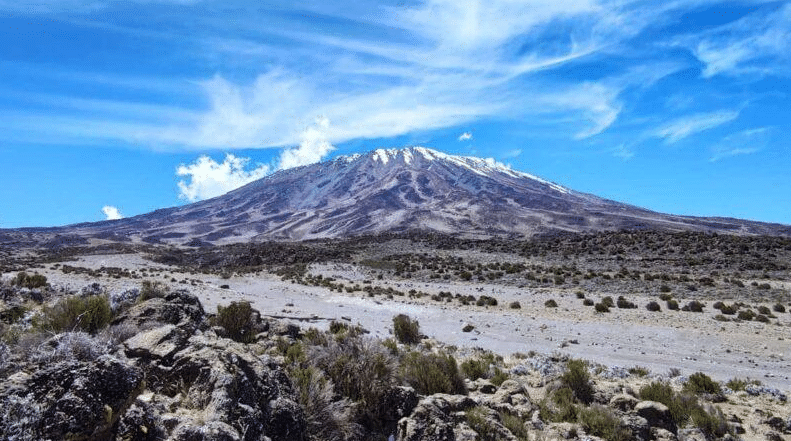
Mount Kilimanjaro rises approximately 5,895 metres (19,341 feet) above sea level, making it the highest mountain in Africa.
Its highest point is Uhuru Peak, found on Kibo, one of the mountain’s three main volcanic cones.
The other two are:
- Kibo: The highest and most prominent volcanic cone, home to Uhuru Peak.
- Mawenzi: A rugged volcanic peak with dramatic rocky formations.
- Shira: An older volcanic formation featuring a beautiful plateau.
What makes Kilimanjaro particularly fascinating is that it is the world’s highest free-standing mountain. Unlike many other famous mountains, it does not form part of an extended mountain range.
3. Discover the Five Beautiful Vegetation Zones
One of the most interesting things about Mount Kilimanjaro is how its environment changes with elevation.
The mountain has five major ecological zones, each with its own climate, plants and scenery.
Cultivated lower slopes: The lower areas are home to local communities, farms and plantations. Coffee and bananas are among the crops grown in the region.
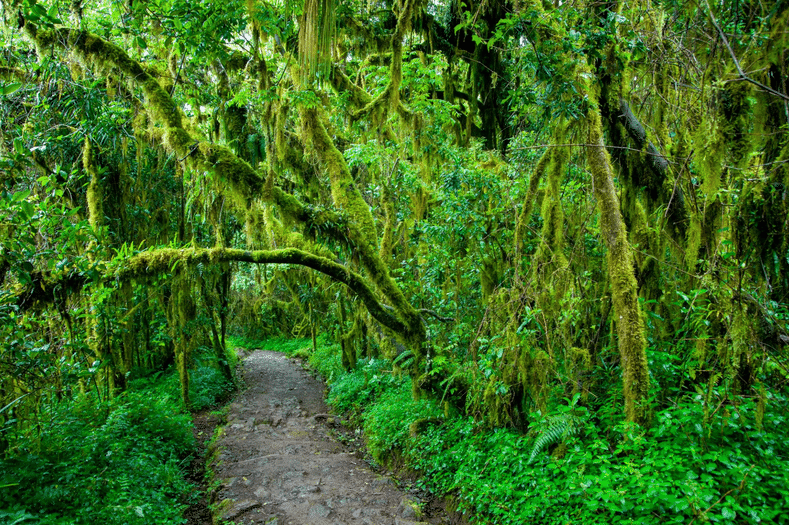
Montane forest: This zone is filled with tall trees, green vegetation, birds and wildlife. It creates a beautiful natural environment around the mountain.
Heath and moorland: As the landscape changes, dense forests give way to open vegetation, unusual plants and wide views.
Alpine desert: This higher region has a much drier environment, with sparse vegetation and dramatic rocky scenery.
Arctic summit zone: Near the top, temperatures are extremely cold, and ice and glaciers create a landscape very different from the tropical surroundings below.
These changing environments make Kilimanjaro one of Africa’s most fascinating natural destinations.
4. Wildlife Found Around Mount Kilimanjaro
Although many people associate Kilimanjaro with its famous summit, the surrounding national park also supports interesting wildlife.
The mountain’s forests and lower areas provide habitats for different mammals and bird species.
Visitors may encounter:
- Blue monkeys.
- Black-and-white colobus monkeys.
- Forest duikers.
- Elephants.
- Buffaloes.
- Various forest and mountain birds.
Wildlife sightings depend on the location, habitat and season. The forest areas are particularly interesting for nature lovers and birdwatchers.
You may also discover unique plants and flowers that grow naturally in the mountain’s different ecological zones.
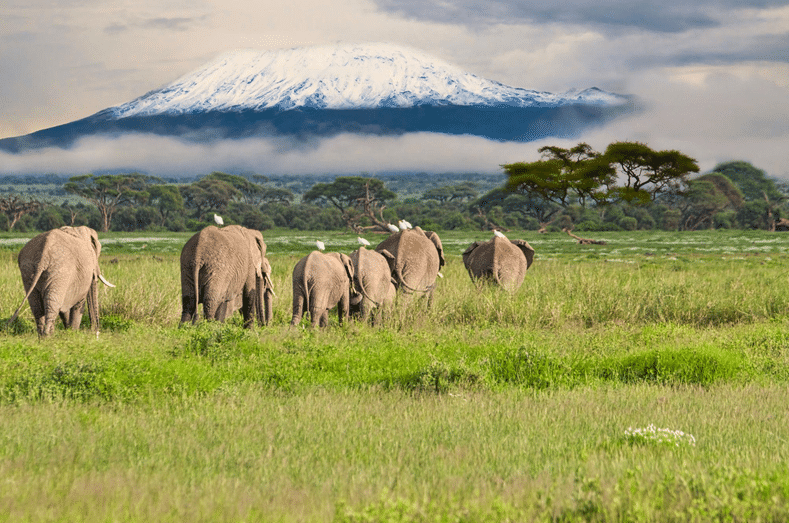
5. Experience the Natural Beauty of Kilimanjaro National Park
Kilimanjaro National Park is a wonderful destination for anyone interested in nature and beautiful landscapes.
The park protects the mountain’s remarkable ecosystems, including its forests, moorlands and high-altitude environments.
Even without focusing on the summit, visitors can appreciate the mountain’s scenery and natural heritage.
The forest environment is especially beautiful, with tall trees, fresh air, birdsong and impressive views.
Photography lovers will also enjoy capturing the mountain’s changing appearance as clouds move around its peaks.
6. Discover the Culture of the Local Chagga People
Mount Kilimanjaro is not only important for its natural beauty. It also has a deep cultural connection to the communities living around it.
The Chagga people have a long history in the Kilimanjaro region. Their traditions, farming practices, food and local knowledge form an important part of the area’s cultural identity.
Visitors can enjoy cultural experiences around the mountain, including learning about traditional homes, local coffee production, food preparation and community life.
A visit to a local coffee farm can be particularly interesting. You can learn how coffee is grown, harvested, prepared and enjoyed.
These experiences offer a different way to understand Tanzania beyond its famous wildlife attractions.
7. The Best Time to Enjoy Mount Kilimanjaro’s Scenery
Mount Kilimanjaro can be admired throughout the year, although weather conditions affect visibility and the overall experience.
The generally drier periods, from June to October and January to February, often provide clearer conditions for enjoying mountain views.
During wetter periods, the surrounding landscapes become greener, and clouds may create beautiful scenery. However, visibility can change quickly.
If you are visiting the national park, always follow official visitor guidance and local weather advice.
It is also important to understand that reaching the high-altitude summit is a strenuous and potentially dangerous undertaking, not an ordinary sightseeing activity. It is not suitable for children or teenagers to attempt independently.
8. Why Mount Kilimanjaro Is Important for Conservation
Mount Kilimanjaro is an important natural resource for Tanzania and the wider East African region.
Its forests support biodiversity, help regulate water supplies and provide habitats for wildlife.
The mountain is also an important source of water for communities living around its slopes.
However, environmental changes, forest pressures and changing climate conditions create challenges for its ecosystems.
Conservation efforts help protect the mountain’s forests, wildlife and natural landscapes for future generations.
As visitors, we can support responsible tourism by respecting park regulations, avoiding littering and appreciating the natural environment without disturbing it.
Final Thoughts: Discover the Beauty of Mount Kilimanjaro
Mount Kilimanjaro is truly one of Africa’s most remarkable natural wonders. Its impressive height, snow-covered summit, changing vegetation zones and rich cultural history make it a destination worth discovering.
From the beautiful mountain forests to the surrounding Chagga communities, every part of the region offers something interesting to experience.
At Wildroots Africa Safaris, we believe that discovering Africa is about more than visiting famous attractions. It is about experiencing nature, learning about different cultures and creating meaningful travel memories.
Whether you are exploring Tanzania’s beautiful landscapes or planning a wider East African holiday, Mount Kilimanjaro deserves a place on your travel list.
Discover the beauty of East Africa with Wildroots Africa Safaris and let your next journey begin!