How to Combine Gorilla Trekking in Uganda with Kenya’s Big Five Safaris
Gorilla trekking in Uganda is one of the most moving wildlife experiences on Earth, and it pairs perfectly with a Big Five safari in Kenya. In a single trip, you can spend an hour with a mountain gorilla family in misty rainforest, then watch lions hunt across the open Maasai Mara plains a few days later. Few itineraries offer such contrast.
However, many travelers are unsure how to link the two countries. How long do you need? Which order works best? What does it cost in time and effort? This guide answers those questions. It covers routes, timing, permits, packing and a sample 10-day itinerary, so you can plan with confidence.
Why Combine Uganda and Kenya on One Safari?
Uganda and Kenya complement each other. Uganda is dense, green and intimate. Kenya is open, golden and dramatic. One country puts you face to face with our closest relatives. The other delivers the classic savanna scenes that most people imagine when they think of Africa.
The practical case is just as strong. Entebbe and Nairobi are connected by regular short flights, so you do not lose days traveling overland between the two. Both countries also have well-established tourism infrastructure, experienced guides and a wide range of lodges. As a result, you can build a trip that feels smooth rather than rushed.
There is also a wildlife argument. Uganda is the best place to combine gorillas with chimpanzees, forest birds and other primates. Kenya, meanwhile, is one of the most reliable places to see the Big Five: lion, leopard, elephant, buffalo and rhino. Together, they cover almost every wildlife dream on a first-time safari list.
Understanding Gorilla Trekking in Uganda
Before you plan the route, it helps to know what the gorilla portion involves.
Where the Gorillas Live
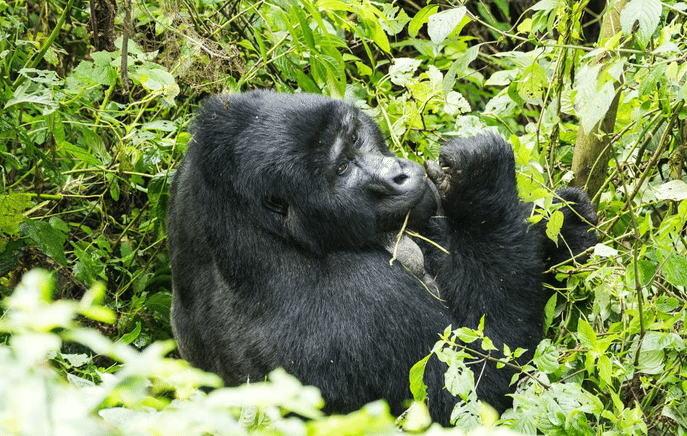
Uganda protects mountain gorillas in two places: Bwindi Impenetrable National Park and Mgahinga Gorilla National Park. Bwindi is the larger and more popular choice. It is a UNESCO World Heritage Site and holds roughly half of the world’s remaining mountain gorillas. Trekking is organized from several regions of the park, and each has its own gorilla families and starting points.
What a Trek Is Really Like
A trek begins with a briefing from your ranger guides. Trackers then lead small groups into the forest toward the gorilla family assigned to you. The hike can take anywhere from one hour to several hours. The terrain is steep, muddy and thick with vegetation, so it can be demanding.
Then comes the reward. When you find the group, you typically spend one hour observing them from a respectful distance. You may see a silverback resting, mothers cradling infants and juveniles tumbling through the undergrowth. Most visitors describe it as a deeply emotional moment.
Permits Come First
Gorilla permits are limited, and they are issued through the Uganda Wildlife Authority. Because only a small number are available each day, they often sell out in peak season. Therefore, secure your permit first, then build the rest of your itinerary around your trekking date. That one decision protects your entire plan.
Understanding Kenya’s Big Five Safari
Kenya is one of Africa’s great safari destinations, and its parks are well suited to Big Five viewing.
The Maasai Mara
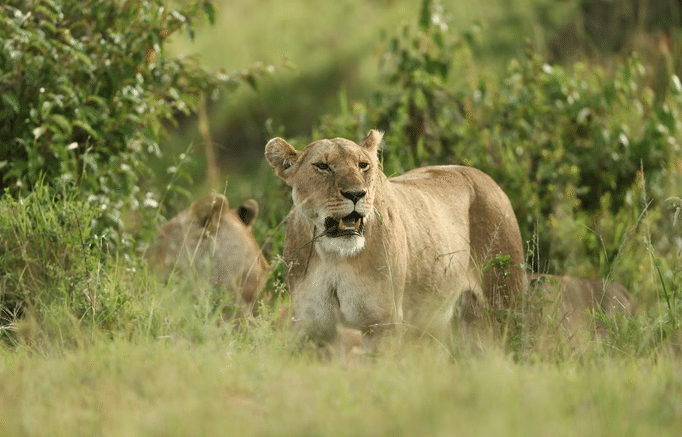
The Maasai Mara is the headline act. It is famous for its large predator populations, so lion sightings are common and leopards and cheetahs are regularly seen. Elephants and buffalo roam in healthy numbers. Rhinos are present but harder to find, so a skilled guide matters here.
From roughly July to October, the Great Migration brings huge herds of wildebeest and zebra from Tanzania. River crossings are intense and unforgettable. Even outside those months, the Mara delivers excellent game viewing all year.
Other Parks for Rhinos and More
If you want to improve your chances of seeing rhinos, add a second stop. Lake Nakuru National Park is a compact reserve known for rhino sightings and birdlife. Ol Pejeta Conservancy in Laikipia is another strong choice, and it protects both black and white rhinos. Amboseli is also worth considering for its elephant herds with Mount Kilimanjaro in the background.
The Kenya Wildlife Service manages many of Kenya’s national parks and publishes up-to-date visitor information. For route ideas, explore our Kenya safari tours.
How to Connect the Two Countries
The link between Uganda and Kenya is simple. Most travelers fly from Entebbe International Airport in Uganda to Nairobi in Kenya. The flight is short, and many itineraries use it as the bridge between the forest and the savanna.
Which Order Works Best?
You can do either order, but we usually recommend starting in Uganda. Here is why:
- Gorilla trekking is physical. It is easier when you are fresh at the start of your trip.
- Permits fix your dates. Starting with Uganda lets you build around your trekking day.
- Kenya makes a relaxed finish. Game drives are less strenuous, so you can unwind after the hike.
That said, some travelers prefer to start in Kenya and finish with gorillas as an emotional highlight. Both approaches work, as long as you manage your dates carefully.
Fly or Drive?
Within Uganda, you can drive to Bwindi from Entebbe or Kampala, which is a long but scenic journey. Alternatively, you can take a domestic flight to an airstrip near the park, which saves hours of road time. For travelers with limited days, flying is often worth it. Our Uganda safari packages include both options.
A Sample 10-Day Itinerary
This route shows how to combine gorilla trekking in Uganda with a Kenyan Big Five safari without rushing. We can adjust it to suit your pace.
- Day 1: Arrive in Entebbe and transfer to your lodge. Rest and prepare.
- Day 2: Travel toward Bwindi, either by road with scenic stops or by a short domestic flight.
- Day 3: Gorilla trekking in Bwindi. Spend your hour with the gorillas, then relax at your lodge.
- Day 4: Optional second activity, such as a community walk or a forest nature walk, then travel back toward Entebbe.
- Day 5: Fly from Entebbe to Nairobi. Transfer to your hotel or continue straight to the Mara, depending on flight times.
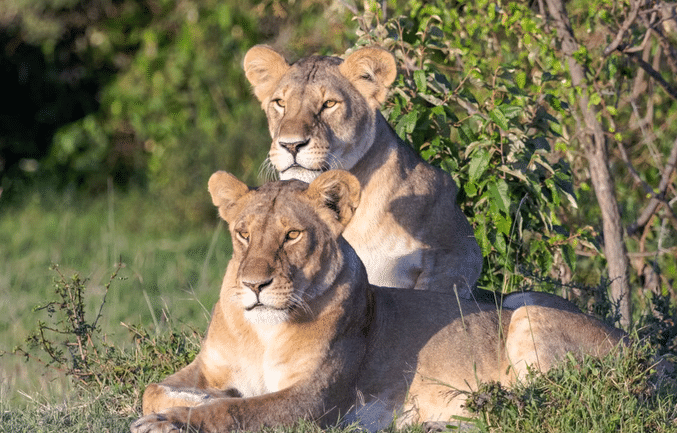
- Days 6-8: Maasai Mara for full-day and half-day game drives. Look for lion, leopard, elephant, buffalo and rhino.
- Day 9: Return to Nairobi, with an optional visit to Nairobi National Park, which is known for rhinos and lies close to the city.
- Day 10: Depart from Nairobi.
If you have more time, add Queen Elizabeth National Park or Kibale Forest in Uganda for tree-climbing lions and chimpanzee tracking. In Kenya, add Lake Nakuru or Amboseli. Alternatively, continue into Tanzania for the Serengeti. Our team can help you request a tailored itinerary that fits your budget and dates.
Best Time to Travel
Timing matters for both halves of the trip.
- Uganda: The drier months, roughly June to September and December to February, make forest trails easier. However, gorilla trekking runs year-round, and the wetter months are quieter and greener.
- Kenya: July to October is the prime window for the Great Migration in the Maasai Mara. January and February also offer good dry-season game viewing.
Overall, June to October works well for both countries. Book early for that period, because permits and lodges fill quickly.
Practical Tips for Your Combined Trip
A bit of preparation makes the journey smoother.
Visas and entry. Rules change, so always verify them with official sources before you travel. The East Africa Tourist Visa covers Uganda, Kenya and Rwanda, which can simplify a two-country trip. Kenya also uses an electronic travel authorization system, so check current requirements well in advance.
Health. See a travel clinic several weeks before departure. Ask about malaria prevention, routine vaccinations and yellow fever requirements. Also buy travel insurance that covers medical evacuation.
Fitness. You do not need to be an athlete for gorilla trekking, but you should be comfortable walking uphill for a few hours. Porters are available to carry your bag and help you on steep sections. Hiring one also supports local families.
Packing. For Bwindi, bring waterproof layers, long trousers, sturdy hiking boots, gloves and insect repellent. For Kenya, pack lightweight neutral-colored clothing, a warm fleece for early mornings, sunscreen and a hat. A camera with a good zoom lens and a pair of binoculars improve both parts of the trip.
Gorilla etiquette. Keep your distance, speak softly and never approach the animals. Stay home if you are sick, since gorillas are vulnerable to human illnesses. Follow your ranger’s instructions at all times.
Budget. Costs depend on your season, accommodation level, permits and flights. Gorilla permits are a major expense, so factor them in first. Contact us for a quote tailored to your needs.
[IMAGE 5: practical tips section]
Filename: gorilla-trekking-in-uganda-packing-guide.jpg
Alt text: Hiking boots, rain jacket and binoculars packed for gorilla trekking in Uganda and a Kenya safari
Travel Responsibly
Both gorillas and the Big Five depend on strong conservation. Choose operators who support local communities and follow park rules. In addition, avoid single-use plastics and buy souvenirs from local artisans. Your visit helps fund the protection of these animals and their habitats, so it is worth making it count. You can learn more about our approach on our about page.
Why Plan With Wild Roots Africa Safaris
Combining two countries means coordinating permits, flights, transfers and park fees. A single mistake can cost you a trekking day. Therefore, working with a local expert saves time and stress.
At Wild Roots Africa Safaris, we design journeys around your goals. Our guides know these landscapes deeply, and we handle the logistics so you can focus on the experience. Whether you want a luxury lodge stay or a more budget-friendly adventure, we will shape the trip with you. Browse our gorilla trekking safaris to see what is possible.
Frequently Asked Questions
Can I do gorilla trekking in Uganda and a Kenya safari in one trip?
Yes. Short flights between Entebbe and Nairobi make it easy. A trip of about 10 days works well, and more time lets you add extra parks.
How many days do I need for gorilla trekking in Uganda?
Plan at least three days for the gorilla portion, including travel to and from Bwindi. Flying to the park shortens this, while driving takes longer.
Can I see the Big Five in Uganda?
Not fully. Uganda offers lions, elephants and buffalo in some parks, and rhinos live at Ziwa Rhino Sanctuary, but Kenya is the more reliable place to see all five.
Is gorilla trekking difficult?
It can be. Treks vary in length and the terrain is steep and muddy. However, guides adjust the pace, and porters are available.
What is the best time for this combined trip?
June to October is popular because of drier weather and the Great Migration in the Maasai Mara. Shoulder months are quieter and green.
Start Planning Your Gorilla and Big Five Adventure
Gorillas in the mist, lions on the plains and elephants beneath Kilimanjaro: this is what happens when you combine two of Africa’s best safari experiences. Gorilla trekking in Uganda gives you an encounter you will never forget, and Kenya’s Big Five safaris add the drama of the savanna.
Ready to begin? Contact Wildroots Africa Safaris today, and we will craft a personalized itinerary that turns your plan into a real journey.