Go To Africa Safaris
A 7 day Uganda wildlife and gorilla safari is the best way to see the country’s highlights in one week. You can track chimpanzees, watch elephants and hippos, spot tree-climbing lions and meet mountain gorillas. Better still, the route is compact and logical.
This guide gives you a full day-by-day plan. You will also see costs, the best time to go and packing advice. By the end, you can book with confidence.
At Wildroots Africa Safaris, we run this route often. Below, we share what works best.
Why Choose a 7 Day Uganda Wildlife and Gorilla Safari?
Seven days is the sweet spot for many travellers. It is long enough to see variety. Yet it is short enough for most holiday schedules.
Moreover, the itinerary hits the “big three” of Uganda. These are chimpanzees, savannah wildlife and gorillas.
A Note on Current Travel Conditions
Governments changed Uganda travel advice during 2026 because of a regional Ebola outbreak. Uganda declared its own outbreak over in July. Even so, check your government’s advice before booking. Read our Is Uganda safe for tourists? guide for context. In addition, choose flexible booking terms and confirm that your insurance covers your trip.
The Route at a Glance
Here is the route in one view.
Now, let us look at each day in detail.
Day 1: Arrive in Entebbe and Drive to Kibale Forest
Your trip starts at Entebbe International Airport. Your driver-guide meets you after you clear immigration. Apply for your visa early through the official Uganda e-visa portal. Our guide on Uganda visa requirements explains the process.
Next, you head west toward Fort Portal. The drive takes about five to six hours. The road passes through Kampala, tea estates and rolling hills. Traffic around Kampala can be slow, so leave early.
Stop for lunch along the way. Many travellers also stop at the equator crossing near Kayabwe for photos.
You arrive at your lodge near Kibale Forest in the late afternoon. Relax, enjoy dinner and rest for an early start.
Overnight: Lodge near Kibale National Park.
Day 2: Chimpanzee Tracking and Drive to Queen Elizabeth
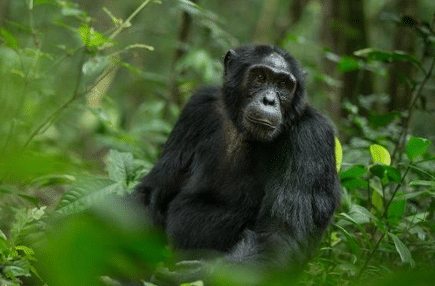
Today brings your first primate encounter. After an early breakfast, you meet rangers at the Kanyanchu visitor centre. You receive a briefing on rules and safety.
Then you walk into the forest in a small group. Trackers lead the way. Chimps are noisy and quick, so you often hear them first. Once found, you spend about one hour watching them feed, groom and play.
Permits for foreign non-residents cost about $250. Rates change, so confirm them with the Uganda Wildlife Authority. Read our guide to chimpanzee trekking in Kibale Forest for more detail.
After lunch, you drive south to Queen Elizabeth National Park. The journey takes about two to three hours. The scenery changes as you pass crater lakes and open plains. As a result, the drive is a pleasure.
If time allows, take a short evening game drive. Alternatively, rest at your lodge.
Overnight: Lodge in or near Queen Elizabeth National Park.
Day 3: Game Drive and Kazinga Channel Cruise
Day three is a wildlife day. Queen Elizabeth is Uganda’s most popular savannah park. It offers variety within a small area.
Morning Game Drive
You start early with a game drive across the Kasenyi plains. Lions often hunt here at dawn. You may also see:
Rangers or your guide read tracks and signs. Therefore, ask lots of questions.
Afternoon Boat Cruise
After lunch and rest, you board a boat on the Kazinga Channel. The channel links Lake George and Lake Edward. Animals gather along its banks.
The cruise lasts about two hours. It costs roughly $30 to $40 per person. Photography is easy, and the light is lovely in late afternoon.
For more parks like this, see our guide to the top 10 national parks in Uganda.
Overnight: Same lodge as Day 2.
Day 4: Ishasha Tree-Climbing Lions and Drive to Bwindi
Today you head toward the gorillas. The route passes through the Ishasha sector, in the park’s south.
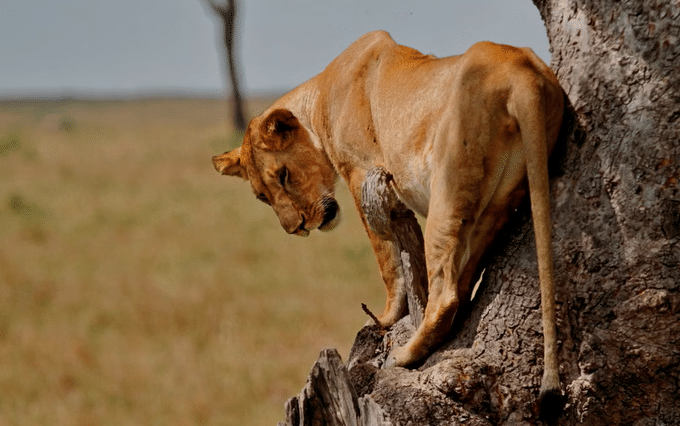
Ishasha is famous for tree-climbing lions. The lions rest in fig trees during the day. Sightings are not guaranteed. However, you have a good chance if you take your time. Scan the branches carefully.
Allow a few hours for a game drive here. In addition, enjoy the quiet, open plains.
After lunch, you continue to Bwindi Impenetrable National Park. The drive takes about two to three hours from Ishasha. The road climbs into misty hills. Terraced farms cover the slopes. As a result, the scenery turns from savannah to forest.
You reach your lodge in the late afternoon. Bwindi can be cool in the evening. Therefore, unpack a warm layer. Prepare your daypack and boots for tomorrow.
Overnight: Lodge in Bwindi, in the sector assigned to your gorilla permit.
Day 5: Gorilla Trekking in Bwindi
Day five is the highlight of the trip. You wake early and have breakfast. Then you go to the park headquarters for a briefing.
How the Trek Works
Trekking times vary from one to six hours. Trails can be steep and muddy. Therefore, hire a porter for your bag. It costs about $20 to $30 and supports local families.
The hour with the gorillas passes quickly. You watch infants play and silverbacks guard the group. Keep your voice low. Do not use flash. Maintain the required distance.
Permit Costs
A standard gorilla permit costs $800 for foreign non-residents. The low-season permit, valid in April, May and November, costs $600. Confirm current rates on the UWA website. Book permits early, because they sell out in peak months.
Compare countries in our guide on Uganda vs Rwanda gorilla trekking.
After the trek, you return to the lodge for lunch and a well-earned rest. Some lodges offer massages or hot baths.
Overnight: Same lodge in Bwindi.
Day 6: Rest or Batwa Visit, Then Return Journey
Day six gives you a choice. Many travellers like a slow morning after the trek.
Optional Morning Activities
These activities support local communities. In addition, they give a deeper look at Bwindi.
The Journey Back
Next, you start the return trip toward Entebbe. The drive takes about eight to ten hours. It is long, so you may break it with an overnight stop. Many itineraries stay near Mbarara or Masaka.
Alternatively, you can fly. Small planes link Bwindi airstrips with Entebbe or Kajjansi. The flight takes about 90 minutes. Fares often run $250 to $400 each way. Flying saves time and gives aerial views. However, it adds cost.
Overnight: Lodge near Mbarara or Masaka, or a hotel near Entebbe if you fly.
Day 7: Departure
On your final morning, you continue to Entebbe if needed. Allow plenty of time for traffic. Aim to reach the airport at least three hours before your flight.
If time remains, visit the Uganda Wildlife Education Centre or shop for crafts in Entebbe. Alternatively, relax by Lake Victoria.
Your driver-guide takes you to the airport. You leave with new friends, many photos and lasting memories.
Alternative Routes for 7 Days
You can adjust the route to match your interests.
Option A: Murchison Falls Version
Start with Murchison Falls instead of Kibale. Then travel to Queen Elizabeth and Bwindi. This route adds a Nile cruise and giraffes. However, it needs more driving or a flight.
Option B: Fly-In Gorilla Express
Fly from Entebbe to Bwindi on Day 1. Trek on Day 2. Then fly to Queen Elizabeth for wildlife. This saves driving time. Yet it costs more.
Option C: Rwanda Extension
Cross into Rwanda from Bwindi and visit Volcanoes National Park. Read our guide on travelling between Uganda and Rwanda for border tips.
Costs for a 7 Day Uganda Wildlife and Gorilla Safari
Costs depend on lodging, season and group size. The estimates below are per person, with two sharing. They exclude international flights.
Main Cost Items
Group size changes the price. Four people sharing one vehicle pay far less each than a solo traveller. Read our guide on how much a Uganda safari costs for full budgets. Also see budget vs luxury safaris in Uganda.
Best Time for This Safari
You can do this route all year. However, seasons matter.
Gorilla permits cost less in April, May and November. As a result, low-season trips save money. Read our guide to the best time to visit Uganda for a wildlife safari for more detail.
How Fit Do You Need to Be?
The itinerary is moderate. Most of the trip involves sitting in a vehicle. The gorilla trek is the main physical challenge. It can be steep and muddy. However, rangers adjust to your pace. Tell them honestly how you feel.
To prepare, walk regularly before the trip. Wear in your boots. In addition, practise walking on uneven ground.
What to Pack
Pack light, in a soft bag. Small planes limit luggage weight.
See our guide on what to pack for a gorilla trekking adventure for a full checklist.
Health and Travel Preparation
Good preparation prevents problems.
Visit the CDC travel health pages for vaccine advice. You can also follow updates from the World Health Organization.
Tips for the Perfect Trip
For lodge advice, read our guide on how to choose the right safari lodge in Uganda. For general tourism information, visit Visit Uganda.
Is Seven Days Enough?
For many travellers, yes. Seven days covers chimps, savannah wildlife and gorillas. However, the schedule is full. Long drives take up much of Days 1, 4 and 6. If you want a slower pace, consider ten days. Our guide on how many days you need for a Uganda safari compares trip lengths in detail.
Final Thoughts on the 7 Day Uganda Wildlife and Gorilla Safari
A 7 day Uganda wildlife and gorilla safari delivers an unforgettable week. You track chimps in Kibale, cruise past hippos in Queen Elizabeth and meet gorillas in Bwindi. Moreover, the route is practical and well tested.
Book your permits early, pack smart and travel with a trusted operator. Then enjoy every moment.
Ready to plan? Browse our Uganda safari packages or request a custom quote. Our team at Wildroots Africa Safaris will tailor this itinerary to your dates, budget and style.