The best time to visit Uganda for a wildlife safari depends on what you want to see. Uganda is not a single-season destination. Big game, primates and birds each peak at different times. As a result, the right month changes with your goals.
This guide breaks the year down by wildlife type and by park. You will see when animals are easiest to find. You will also learn how rain, roads and prices shape your trip.
At Wildroots Africa Safaris, we match travel dates to wildlife goals every week. Below, we share the same advice.
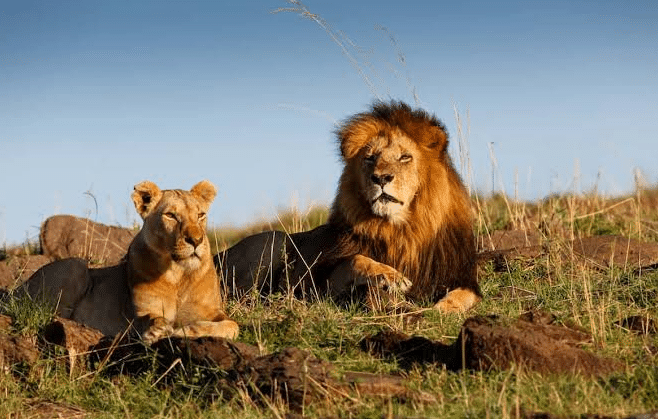
Understanding Uganda’s Seasons
Uganda sits on the equator. Temperatures stay fairly steady all year. Rainfall is the main difference between seasons.
- Long dry season: June to September
- Short dry season: December to February
- Long rains: March to May
- Short rains: October to November
Rain patterns have become less predictable in recent years. Therefore, treat these months as a guide, not a promise. You can follow forecasts through the Uganda National Meteorological Authority.
Best Months for Big-Game Viewing
Savannah wildlife is easiest to see in the dry seasons. Grass is shorter, so animals are more visible. In addition, water becomes scarce, so wildlife gathers at rivers and waterholes.
The best months are:
- June to September: The driest and most reliable period
- December to February: Warm, dry and excellent for game drives
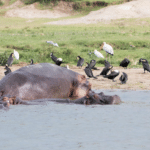
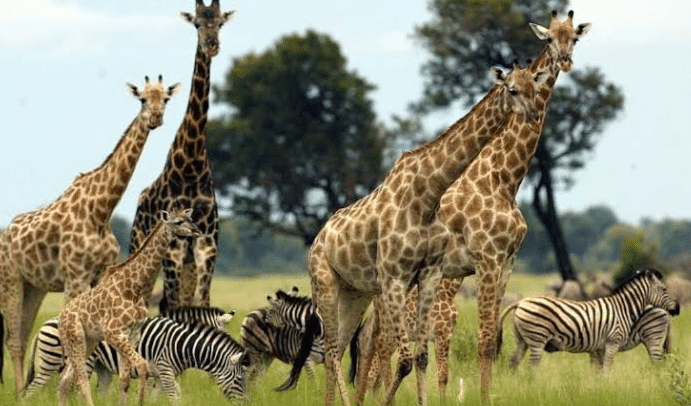
During these months, you can watch elephants, lions, buffalo and giraffes with ease. Kazinga Channel and the Nile draw large groups of animals to the water’s edge.
Nevertheless, the wet seasons still offer good sightings. Predators hunt year-round. Moreover, newborn antelope appear during the rains.
Best Months for Primates
Primates behave differently from savannah animals. They live in forests, where rain is always possible. Therefore, seasons matter less.
Gorillas
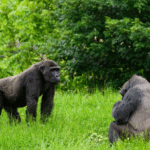
Gorilla trekking runs all year. Dry months make trails firmer and easier. The best periods are June to September, plus December and January. However, low-season permits cost less. UWA lists $600 in April, May and November, compared with $800 in other months. Confirm current rates on the UWA website.
Chimpanzees
Chimps are tracked in Kibale and Budongo forests. Fruit availability affects their movements. Sightings are strong all year. Dry months are simply more comfortable. Read our chimpanzee trekking in Kibale Forest guide for details.
Golden Monkeys
Golden monkey tracking in Mgahinga works year-round too. Rain makes bamboo slopes slippery. Consequently, dry months are easier.
Best Months for Birdwatching
Uganda is a superb birding country. More than 1,000 species have been recorded. Migratory birds arrive from Europe and Asia between November and April. As a result, this period offers the highest species counts.
The shoebill stork is a top target. It lives in the Mabamba Swamp and the Murchison Falls Delta. Sightings are possible year-round. Dry months often improve your chances because the birds stay near open water.
Bring binoculars and a field guide. Early mornings are best.
Park-by-Park Timing Guide
Each park has its own best window. Here is a simple guide.
Murchison Falls National Park
Murchison is Uganda’s largest park. Visit between December and February or June and September. Roads are drier, and game drives are easier. Boat cruises on the Nile run all year.
Queen Elizabeth National Park
This park is good all year. Dry months give the best game viewing. The tree-climbing lions of Ishasha are easier to spot when grass is shorter. For park details, visit Visit Uganda.
Kidepo Valley National Park
Kidepo has a different rainfall pattern. It lies in the far northeast. The best time is the dry season from December to March. During these months, animals gather near the Narus River.
Lake Mburo National Park
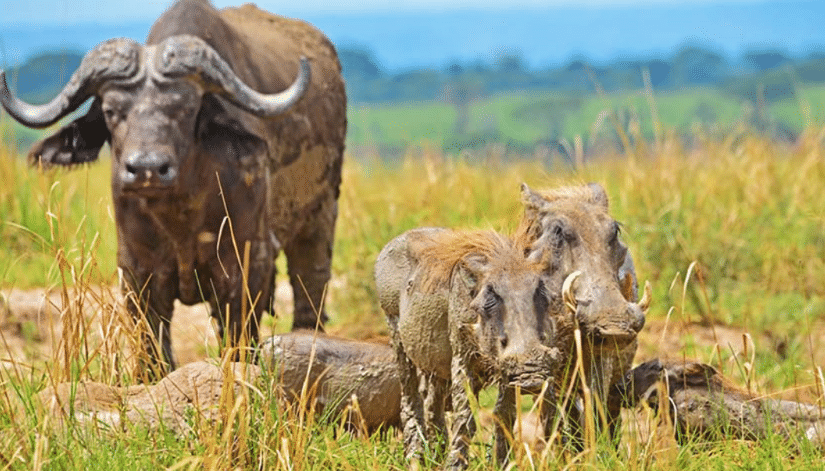
Lake Mburo is a small, easy park. It works well in any season. Walking safaris are most comfortable in dry weather.
Kibale and Bwindi
These forest parks stay damp year-round. Pack rain gear in any month. Dry months simply make trails less muddy.
Rwenzori Mountains
Hiking is best in December to February and June to August. Weather is unpredictable at altitude.
For a wider look at the parks, see our top 10 national parks in Uganda.
Month-by-Month Wildlife Guide
Here is a quick month-by-month summary.
- January: Dry and warm. Excellent for game drives and gorilla treks.
- February: Dry in most areas. Great for savannah parks.
- March: Rains begin. Some roads become slower.
- April: Peak rains. Low prices and green scenery.
- May: Heavy rain early, lighter later. Quiet parks.
- June: Drier weather returns. Strong all-round month.
- July: Dry and popular. Superb for big game.
- August: Dry and busy. Book early.
- September: Mostly dry. Rain returns late in the month.
- October: Short rains begin. Good value.
- November: Wet but affordable. Strong for birding.
- December: Dry and festive. Very busy.
High Season vs Low Season
Season affects crowds and prices.
High Season
High season runs from June to September and December to February. Weather is reliable. However, lodges fill up and rates rise. Gorilla permits sell out early. Therefore, book at least six months ahead.
Low Season
Low season covers April, May and November. Prices are lower, and parks are quiet. In addition, landscapes look lush. Roads can be slippery, so allow extra travel time.
Shoulder Season
March and October sit between the two. Prices are moderate, and crowds are lighter. Many experienced travellers like these months.
For more on pricing, read our guide on how much a Uganda safari costs.
Road Conditions and Travel Time
Rain affects roads more than wildlife. Many park tracks turn muddy in wet months. Four-wheel-drive vehicles handle this well. Nevertheless, journeys take longer.
For example, the drive to Bwindi can stretch beyond ten hours in heavy rain. Plan buffer days around long transfers. Alternatively, use domestic flights between parks.
Photography Considerations
Photographers have different needs.
- Dry season: Clear skies and dusty light suit wildlife shots.
- Wet season: Dramatic clouds and green backdrops improve landscapes.
- Forest treks: Low light needs fast lenses and high ISO.
Moreover, early morning and late afternoon give the softest light in any season.
Health and Practical Considerations
Mosquitoes are more common in wet months. Therefore, use repellent and take malaria advice from your doctor. Uganda requires proof of yellow fever vaccination. Check health guidance on the CDC travel page. You can also apply for your visa through the official Uganda e-visa portal.
Buy travel insurance that covers medical care and cancellation. Also check that it covers current health events.
How to Choose Your Dates
Use this quick guide.
Choose June to September if you want:
- The best big-game viewing
- Easier trails and roads
Choose December to February if you want:
- Warm, dry weather
- Holiday travel
Choose March to May if you want:
- Lower prices
- Green scenery and fewer visitors
Choose October to November if you want:
- Good value
- Strong birding
Final Thoughts on the Best Time to Visit Uganda for a Wildlife Safari
The best time to visit Uganda for a wildlife safari depends on your priorities. Dry months favour big game. Wet months favour birds, prices and green scenery. Primates are rewarding in every season.
Plan around your main goal. Then add buffer days for weather and travel.
Ready to book? Browse our Uganda safari packages or request a custom quote. Our team at Wildroots Africa Safaris will match your dates to the right parks.