Uganda vs Rwanda gorilla trekking is the most common question we hear at Wild Roots Africa Safaris. Both countries protect mountain gorillas. Both offer a life-changing hour with a gorilla family. However, the two experiences differ in cost, logistics and atmosphere.
This guide compares them side by side. You will see permit prices, trek difficulty, travel time and extra activities. By the end, you will know which country suits your budget and style.
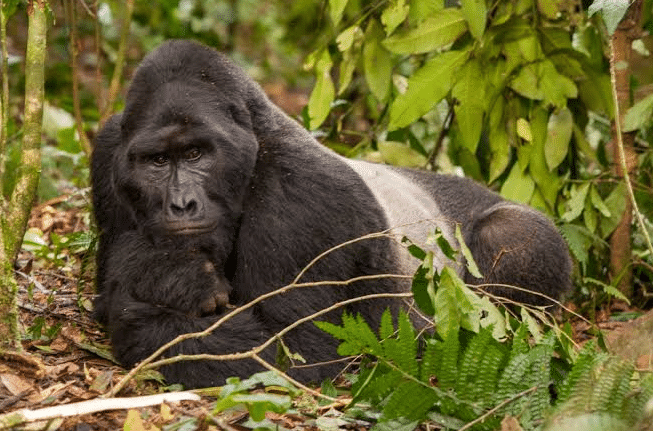
Quick Answer: Uganda vs Rwanda Gorilla Trekking at a Glance
Here is a short summary before we go deeper.
- Choose Uganda if you want lower permit costs, more variety and a longer trip.
- Choose Rwanda if you have limited time and want easy access from the capital.
- Choose both if you want to compare two forests and have the budget.
Now, let us look at each factor in detail.
Where Do Mountain Gorillas Live?
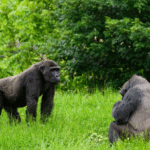
Mountain gorillas live in only one region. It is called the Virunga Massif, together with Bwindi in Uganda. The population is small, so protection matters. You can read more on the WWF mountain gorilla page.
Three countries share this habitat. They are Uganda, Rwanda and the Democratic Republic of Congo. Most travellers choose Uganda or Rwanda because both are stable and well organised.
In Uganda, you can trek in two places. These are Bwindi Impenetrable National Park and Mgahinga Gorilla National Park. In Rwanda, trekking happens in one place. That place is Volcanoes National Park.
Gorilla Permit Cost: Uganda vs Rwanda
Cost is often the deciding factor. Permits are the biggest expense in both countries.
Uganda Permit Prices
The Uganda Wildlife Authority sets the rates. For foreign non-residents, a standard permit costs $800. During the low season, which covers April, May and November, it drops to $600. You can verify current rates on the UWA website.
Uganda also offers a gorilla habituation experience. It costs more and lasts up to four hours. Tariffs for this activity have changed recently, so confirm the price before you book.
Rwanda Permit Prices
The Rwanda Development Board sets the rates there. A standard permit costs $1,500 per person. Reported low-season discounts exist, but they are limited. Check the official Visit Rwanda site for the latest information.
What This Means for Your Budget
Uganda is clearly cheaper for permits. For example, a couple saves about $1,400 on permits alone at standard rates. Therefore, that money can pay for extra nights, better lodges or a wildlife safari.
Rwanda, on the other hand, offers high-end service and a premium feel. In short, you pay more, but the experience is polished.
Read our guide to Uganda safari costs for a full budget breakdown.
Trekking Difficulty and Terrain
Many travellers worry about fitness. Fortunately, both countries offer options for different levels.
Trekking in Uganda
Bwindi is an ancient rainforest. The terrain is steep and the vegetation is thick. Trails can be muddy and slippery. As a result, treks feel like a real jungle adventure.
Trek length varies widely. Some groups take one hour to reach. Others need up to six hours. Rangers assign groups based on your fitness, so tell them your limits.
Mgahinga is smaller and sits on volcano slopes. Its terrain is gentler in places.
Trekking in Rwanda
Volcanoes National Park has open slopes, bamboo forest and farmland edges. The trails are often less dense. Nevertheless, the altitude is high, so the air is thin.
Treks in Rwanda can be shorter. However, some still last several hours. Rangers also match groups to ability.
Which Is Easier?
Neither is always easier. Rwanda often has simpler terrain. Uganda has more variety. Therefore, consider your fitness and comfort level. Porters are available in both countries and are strongly recommended. They carry your bag and help on steep sections.
Travel Time and Access
Access is where Rwanda shines.
Getting to Rwanda’s Gorillas
Volcanoes National Park lies about two to three hours from Kigali by road. Therefore, you can fly in, rest and trek within 48 hours. This suits short trips.
Getting to Uganda’s Gorillas
Uganda’s gorilla parks are farther from Entebbe. The drive to Bwindi takes roughly eight to ten hours. Consequently, many travellers break the journey with a stop in Queen Elizabeth National Park.
Alternatively, you can fly. Domestic flights from Entebbe or Kajjansi reach airstrips near Bwindi in about 90 minutes. Flights cost more but save time.
There is another option. You can fly into Kigali and drive to southwestern Uganda. That journey takes roughly four to six hours, depending on the border crossing and sector. This route works well for Rushaga and Nkuringo sectors.
For help choosing, see our Uganda gorilla trekking safaris.
Number of Gorilla Families and Permit Availability
Availability matters, especially in peak months.
Uganda has more habituated gorilla groups. Bwindi alone has several trekking sectors. They are Buhoma, Ruhija, Rushaga and Nkuringo. Each sector has its own gorilla families. Because of this, Uganda offers more permits each day.
Rwanda has fewer groups. Consequently, permits can sell out faster. In peak months, they may be hard to find.
In both countries, a group of up to eight visitors visits each gorilla family. You must keep a safe distance. Time with the gorillas is limited to one hour.
Book early in either country. We recommend securing permits at least six months ahead for peak travel.
The Gorilla Trekking Experience Itself
Once you reach the gorillas, the experience is similar. You watch a family feed, play and rest. The moment is emotional for most visitors.
There are subtle differences, though.
- Uganda: The forest is dense. You often see gorillas up close in thick vegetation. The setting feels wild.
- Rwanda: The landscape is more open. Photos can be easier because there is more light.
Photography tips apply in both places. Bring a fast lens, extra batteries and a rain cover. Do not use flash.
Beyond Gorillas: What Else Can You Do?
Gorillas are only part of the story. What you do before and after matters too.
Uganda’s Extras
Uganda offers a wide range of wildlife. You can combine gorillas with:
- Chimpanzee tracking in Kibale National Park
- Big-game drives in Queen Elizabeth National Park
- Tree-climbing lions in Ishasha
- Murchison Falls and the Nile
- Whitewater rafting near Jinja
- Birdwatching, with over 1,000 species recorded
Because of this, Uganda suits travellers who want a full safari. See our Uganda wildlife safari packages for ideas.
Rwanda’s Extras
Rwanda is smaller and compact. Popular add-ons include:
- Golden monkey tracking in Volcanoes National Park
- Chimpanzee and primate walks in Nyungwe Forest
- Savannah game viewing in Akagera National Park
- Kigali’s museums, including the Genocide Memorial
- Lake Kivu relaxation
In short, Rwanda offers a neat, easy-to-manage itinerary. However, its wildlife variety is smaller than Uganda’s.
Accommodation: Uganda vs Rwanda
Both countries have lodges for all budgets.
Uganda ranges from simple guesthouses to luxury forest lodges. Prices start around $80 and can exceed $800 per night. Therefore, Uganda suits both budget and high-end travellers.
Rwanda skews toward the upper end. Luxury lodges near Volcanoes are famous. Mid-range choices exist but are fewer. As a result, accommodation often costs more.
Meals are usually included at remote lodges. Ask your operator for details.
Visas and Entry Requirements
Entry rules are important for planning.
Uganda offers an online e-visa. Apply through the official Uganda e-visa portal. Rwanda also has simple entry procedures. Rules differ by nationality, so confirm yours.
The East Africa Tourist Visa may be useful. It covers Uganda, Rwanda and Kenya for one fee. Always check current terms with the immigration authorities.
Yellow fever vaccination proof is required in Uganda. Speak with your doctor about other vaccines and health advice.
Safety, Conservation and Community Impact
Both countries are safe for gorilla trekking. Armed rangers protect visitors and animals. Moreover, tourism revenue funds conservation.
Rwanda’s government invests heavily in tourism. A share of the revenue goes to community projects. Uganda also shares revenue with local communities. In Uganda, permit fees support rangers, trackers and park projects.
In both countries, gorilla numbers have grown thanks to strong protection. Your visit helps keep that progress going.
Best Time for Gorilla Trekking
Seasons are similar in both countries.
- Dry seasons: June to September, and December to February. Trails are drier and easier.
- Wet seasons: March to May, and October to November. Trails are muddy, but crowds are smaller.
Gorillas can be trekked all year. However, rain makes terrain harder. Uganda’s low-season permit discount is a strong reason to travel in April, May or November. Note that low-season permits may not be changeable once booked.
Uganda vs Rwanda Gorilla Trekking: Side-by-Side Comparison
| Factor | Uganda | Rwanda |
|---|---|---|
| Standard permit | $800 (low season $600) | $1,500 |
| Parks | Bwindi and Mgahinga | Volcanoes |
| Travel from capital | Long drive or flight | 2–3 hours from Kigali |
| Gorilla families | More | Fewer |
| Extras | Wide wildlife variety | Compact, easy add-ons |
| Lodges | Budget to luxury | Mostly mid to luxury |
| Best for | Value and variety | Short trips and ease |
Which One Should You Choose?
The answer depends on your priorities.
Choose Uganda if you:
- Want to save on permits
- Have a week or more
- Love wildlife variety
- Enjoy wilder forest trekking
Choose Rwanda if you:
- Have only three or four days
- Prefer short transfers
- Want polished, high-end lodges
- Like organised, compact trips
Choose both if you:
- Have a generous budget
- Want to compare two forests
- Travel through Kigali and Entebbe
Many of our guests combine the two. For instance, they fly into Kigali, trek in southwestern Uganda and fly home from Entebbe. This approach adds flexibility.
Tips for Booking Your Gorilla Trek
Follow these tips for a smooth trip.
- Book permits early. Peak months sell out.
- Use a licensed operator. Uganda requires permits to be booked through licensed tour operators.
- Pack well. Bring waterproof boots, gloves, long sleeves and a rain jacket.
- Hire a porter. It helps you and supports local families.
- Stay healthy. Do not trek if you have a cold or flu, since gorillas can catch human illnesses.
- Respect the rules. Keep your distance and keep your voice low.
- Add travel insurance. Choose cover for medical care and cancellations.
Final Thoughts on Uganda vs Rwanda Gorilla Trekking
Uganda vs Rwanda gorilla trekking is not a question of right or wrong. Both countries deliver an unforgettable encounter. Uganda wins on price, variety and permit availability. Rwanda wins on speed, access and polish.
If value and adventure matter most, pick Uganda. If time is tight, pick Rwanda. If you want it all, combine them.
Ready to plan? Browse our Uganda safari packages or request a custom quote. Our local team at Wildroots Africa Safaris will build the perfect gorilla trip for you.