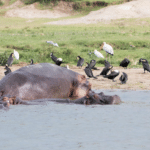
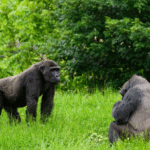
A multi-country safari is the smartest way to see East Africa. Instead of choosing between gorillas in Uganda, the Maasai Mara in Kenya or the Serengeti in Tanzania, you can have all three in one journey. The region’s parks sit close together, its tourism industry is mature, and the contrasts between countries make every leg feel new.
However, crossing borders adds questions that a single-country trip never raises. Which visa do you need? Do you fly or drive between countries? How many days are realistic? This guide answers those questions step by step. It covers routes, border crossings, visas, timing, budgeting and a sample itinerary, so you can plan with confidence.
Why Choose a Multi-Country Safari?
Each country in the region does something better than its neighbors. Uganda offers mountain gorillas, chimpanzees and the Nile. Kenya delivers classic savanna, big cats and rich Maasai culture. Tanzania adds vast wilderness, the Serengeti and the Ngorongoro Crater. A single-country trip shows you one of these worlds, while a multi-country safari shows you all of them.
There are practical benefits too. Weather patterns differ between regions, so when one area is wet another is often at its best. You also meet different cultures, taste different dishes and see very different landscapes, from misty rainforest to open plains to volcanic highlands.
Finally, it offers better value than booking separate trips. Long-haul flights are often the biggest cost, and you pay for them once. Spending an extra week in the region usually adds far less than a second holiday would.
How Many Days Do You Need?
Time is the main limit. Rushing across three countries leaves you tired and spoils the experience. As a guide, plan the following:
- Two countries: 9 to 10 days is comfortable.
- Three countries: 12 to 16 days gives each destination room to breathe.
- Add a beach extension: Allow 3 to 4 extra days for Zanzibar or the Kenyan coast.
Most safaris involve early starts and long game drives, so build in rest. In addition, remember that transfers eat into your days. A flight that looks short on a map can still take half a day once you add airport time, so we plan itineraries with realistic buffers.
Choosing Your Route
Three classic routes work well. Each connects well-known parks with straightforward logistics.
Uganda and Kenya
This route pairs primates with big cats. You start with gorilla trekking in Bwindi, perhaps adding chimpanzees in Kibale. Then you fly from Entebbe to Nairobi and continue to the Maasai Mara. It suits travelers who want one emotional highlight and one classic safari.
Kenya and Tanzania
This is the most popular combination. The Maasai Mara and the Serengeti form one continuous ecosystem, so you can follow the Great Migration across the border. A typical route begins in Nairobi, covers the Mara and Amboseli, then continues to Arusha for Tarangire, the Serengeti and Ngorongoro. Our Kenya safari tours and Tanzania safari options show how the two fit together.
Uganda, Kenya and Tanzania
This is the ultimate version. You trek gorillas, watch the Mara’s predators and finish in the Serengeti and Ngorongoro Crater. It is ambitious, but with 14 days or more it works beautifully. Our Uganda safari packages can serve as the starting point.
Crossing Borders: Fly or Drive?
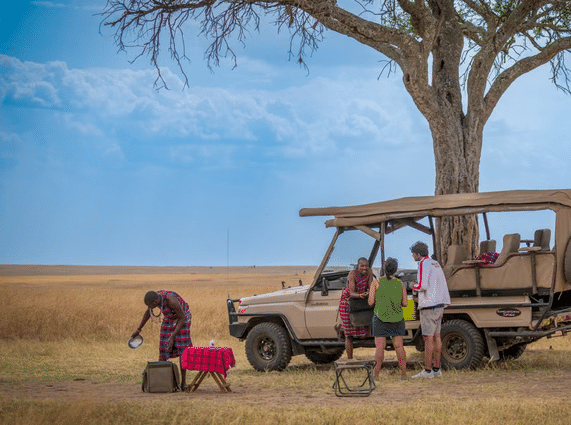
Moving between countries is where many travelers feel uncertain. In practice, you have two options, and many itineraries use both.
Flying Between Countries
Flying is faster and more comfortable. Regular flights link Entebbe, Nairobi, Kilimanjaro, Arusha and Zanzibar, and smaller airstrips serve many of the main parks. Flying saves the most time on long distances, such as moving from Uganda to Kenya. It also lets you avoid border queues. The trade-off is cost and baggage limits, since light aircraft usually require soft-sided bags.
Driving Across Land Borders
Overland travel is cheaper and lets you see the countryside. Common crossings include Busia and Malaba between Uganda and Kenya, and Namanga, Isebania and Taveta between Kenya and Tanzania. Your guide handles most of the paperwork, but queues can be long and times vary.
Vehicles often cannot cross freely. As a result, many operators arrange a vehicle and guide on each side of the border, with a handover at the crossing. Your luggage moves with you, and the process is usually smooth when it is planned in advance. Because border arrangements change, always confirm current rules with your operator.
Our Advice
Mix both. Fly on the longest legs, and drive on shorter ones where the scenery is part of the journey. Therefore, a typical plan flies from Uganda to Kenya, then uses a short flight or a scenic road transfer from Kenya to Tanzania.
Visas and Entry Rules for a Multi-Country Safari
Visas deserve extra attention, because the rules differ by country and change often. Always check official government sources before you book.
The East Africa Tourist Visa is a single, multiple-entry visa that covers Kenya, Uganda and Rwanda. It can simplify a trip that links those countries. However, it does not include Tanzania, so you need a separate Tanzanian visa if your route continues south. Many travelers assume otherwise, and it is one of the most common planning mistakes.
Kenya also requires an Electronic Travel Authorisation, which you apply for online before you travel through the official Kenya eTA portal. Uganda and Tanzania both offer online visa applications. In addition, Zanzibar may have its own entry conditions, such as insurance requirements, so check before you add a beach extension.
Regional governments have discussed a shared tourist visa that would include Tanzania, but nothing should be assumed until it is officially launched. Rules and fees can change at short notice, so confirm everything close to your departure date.
Health rules matter as well. Yellow fever vaccination requirements can apply when you travel between countries, and you may be asked for proof at entry or on departure. Consult a travel clinic several weeks before you leave, and check current health advisories from official sources.
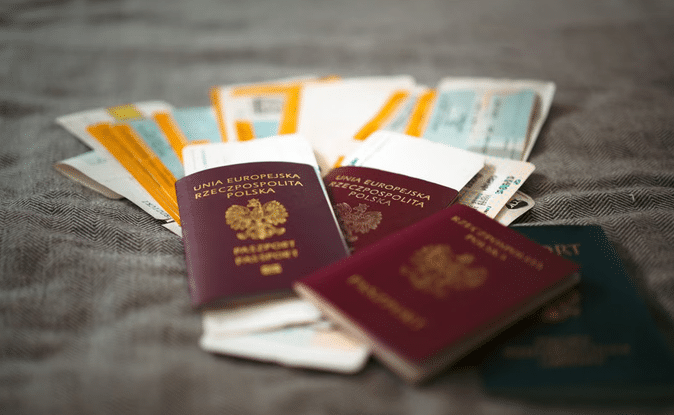
Finally, make sure your passport has at least six months’ validity and several blank pages. Border officers often want space for stamps.
Best Time to Travel
Timing shapes every safari, and it matters more when you combine countries.
- Uganda: June to September and December to February are the driest periods. Gorilla trekking runs year-round, though trails are easier in dry months.
- Kenya: July to October is prime for the Great Migration in the Maasai Mara. January and February are also excellent for dry-season game viewing.
- Tanzania: June to October suits general wildlife. January and February are best for calving season in the southern Serengeti.
Overall, June to October works for all three countries. That said, the shoulder months are quieter and greener, and prices can be lower. If you want to follow the migration, our team can match your dates to where the herds are expected.
A Sample 14-Day Multi-Country Safari Itinerary
This route links Uganda, Kenya and Tanzania at a steady pace. We can shorten it, lengthen it or reorder it.
- Day 1: Arrive in Entebbe, Uganda. Rest and prepare.
- Days 2-3: Travel to Bwindi. Trek the gorillas on day 3.
- Day 4: Optional forest walk, then return toward Entebbe.
- Day 5: Fly from Entebbe to Nairobi, Kenya.
- Days 6-8: Maasai Mara for full-day game drives.
- Day 9: Travel to Tanzania by air or road, then continue toward Arusha.
- Day 10: Tarangire National Park for elephants and baobabs.
- Days 11-12: Serengeti National Park.
- Day 13: Ngorongoro Crater game drive.
- Day 14: Return to Arusha or Kilimanjaro and depart.
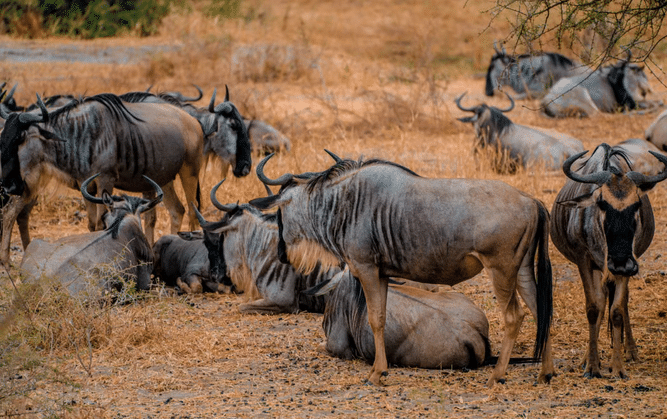
For beach lovers, add Zanzibar. For more wildlife, add Queen Elizabeth National Park in Uganda or Lake Nakuru and Amboseli in Kenya. Details on park rules and conservation are available from the Uganda Wildlife Authority, the Kenya Wildlife Service and Tanzania National Parks
Budgeting for Several Countries
Costs vary widely, so it helps to know what drives them. The biggest factors are accommodation level, season, park and conservation fees, permits and flights between countries.
Gorilla permits are a major expense in Uganda, and they should be booked first. Tanzanian park fees can also be significant, especially in the Serengeti and Ngorongoro. Meanwhile, domestic flights add to the total but save days. Budget travelers can reduce costs by choosing mid-range lodges, group departures and more road transfers.
Also remember currencies. US dollars are widely accepted at lodges, but local shillings help for small purchases, tips and markets. Carry small notes for tipping guides and staff. As a result, you avoid awkward moments at the end of a game drive.
Because pricing depends on so many variables, we recommend asking for a tailored quote. You can request a custom itinerary based on your dates and budget.
Practical Tips for Crossing Borders
A little preparation prevents most problems.
Pack light and smart. Soft bags are essential for small aircraft. Bring neutral clothing, a warm layer for early mornings, a hat, sunscreen, sturdy shoes and binoculars. For gorilla trekking, add waterproof gear, gloves and long trousers.
Keep documents handy. Carry printed copies of your visas, permits, insurance and vaccination certificates. Digital backups on your phone help if a paper copy goes missing.
Buy proper insurance. Choose a policy that covers medical evacuation, trip interruption and cancellations. Multi-country trips involve more moving parts, so cover matters more.
Allow buffer time. Leave room between flights and key activities. Delays happen, and a missed gorilla permit day is hard to recover.
Travel responsibly. Respect wildlife, follow your guide’s instructions and avoid single-use plastics. In addition, buy from local artisans and choose lodges that support conservation. Learn more about our approach on our about page.
Why Plan With Wildroots Africa Safaris
A trip across several countries involves permits, flights, transfers, park fees and border arrangements. One missed detail can disrupt several days. Therefore, working with a local expert protects both your time and your budget.
At Wildroots Africa Safaris, we handle the logistics so you can focus on the experience. Our guides know these landscapes closely, and we design every journey around your interests, pace and budget. Whether you want a luxury escape or a more affordable adventure, we will shape it with you. See our gorilla trekking safaris for a sense of what is possible.
Frequently Asked Questions
Can I visit Uganda, Kenya and Tanzania on one trip?
Yes. Regional flights and road crossings make it very achievable. Plan at least 12 to 14 days so you are not rushing between parks.
Does the East Africa Tourist Visa cover Tanzania?
No. It covers Kenya, Uganda and Rwanda only. Tanzania requires its own visa, so apply separately. Always verify current rules with official sources.
Is it better to fly or drive between countries?
It depends on your time and budget. Flying saves days on long distances, while driving costs less and shows you more of the countryside. Most travelers combine both.
What is the best time for a multi-country safari?
June to October is the most popular period because of dry weather and excellent wildlife viewing. Shoulder months are quieter, greener and often cheaper.
How early should I book?
As early as possible, especially for gorilla permits and peak-season lodges. Booking several months ahead gives you the best choice of dates.
Start Planning Your Multi-Country Safari
Gorillas in misty forest, lions on open plains and a million wildebeest on the move: a journey across East Africa offers all of it. Crossing borders may sound complicated, but with the right plan it becomes part of the adventure.
Ready to begin? Contact wildroots Africa Safaris today, and we will craft a personalized route that turns your plan into a real journey.