Go To Africa Safaris
Kampala is more than Uganda’s busy capital. Beneath its lively streets lies a rich cultural story shaped by the Buganda Kingdom, traditional customs, religious heritage and important moments in the country’s history. Exploring Kampala’s cultural sites offers visitors an opportunity to understand the people, beliefs and traditions that have helped shape modern Uganda.
From royal burial grounds and historic palaces to impressive places of worship and national monuments, a cultural tour of Kampala brings the country’s heritage to life. With a knowledgeable local guide, each visit becomes an opportunity to go beyond the photographs and discover the stories behind these important places.
The Kasubi Royal Tombs are among Uganda’s most important cultural landmarks and are recognised as a UNESCO World Heritage Site. The grounds serve as a royal burial place for former Kabakas, or kings, of Buganda and remain an important centre of spiritual and cultural life for the Baganda people.
A visit introduces travellers to Buganda’s royal traditions, cultural beliefs, traditional architecture and the significance of the kingdom in Uganda’s history. It is an especially meaningful stop for visitors interested in African heritage and living cultural traditions.
Located on Mengo Hill, Kabaka’s Palace, also known as Lubiri, offers an introduction to the history and leadership of the Buganda Kingdom. The surrounding Royal Mile connects important royal and cultural landmarks and provides insight into the kingdom’s influence on the development of Kampala.
Depending on access arrangements, visitors may learn about the palace, Buganda’s royal heritage and significant events in Uganda’s past. This experience helps place the traditions of the kingdom within the wider story of the country.
Standing on Old Kampala Hill, the Gaddafi National Mosque is one of the city’s most recognisable landmarks. Its impressive architecture, large dome and tall minaret make it an important place of worship and a notable part of Kampala’s cultural landscape.
Visitors can learn about Islam in Uganda, the role of the mosque in the Muslim community and the diversity of religious traditions across the country. Where visitor access is available, the minaret also offers memorable panoramic views over Kampala.
Namirembe Cathedral, also known as St. Paul’s Cathedral, is an important landmark in Uganda’s Anglican Christian history. Situated on Namirembe Hill, the cathedral reflects the long history of Christianity in the country and its influence on education, community life and society.
The peaceful setting and architectural character make it a worthwhile stop for travellers interested in religious heritage and the development of Kampala.
Rubaga Cathedral, officially St. Mary’s Cathedral Rubaga, is a major centre of the Roman Catholic faith in Uganda. Located on Rubaga Hill, it is closely associated with the history of Catholicism in the country.
A visit offers insight into the development of the Catholic Church in Uganda and its influence on communities over generations. Together with Namirembe Cathedral and the Gaddafi National Mosque, Rubaga Cathedral illustrates the religious diversity that forms part of Kampala’s identity.
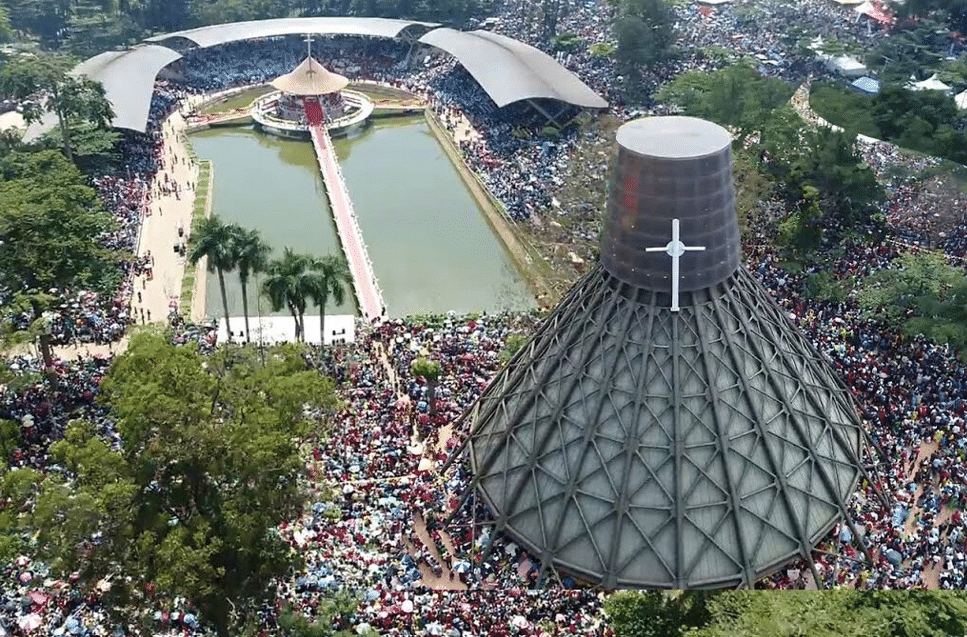
Located in Namugongo, within the wider Kampala metropolitan area, the Uganda Martyrs Shrine commemorates the Christian martyrs who were killed in the late nineteenth century. It is an important pilgrimage destination for Catholics and other visitors interested in Uganda’s religious history.
The shrine is particularly significant during the annual Uganda Martyrs Day celebrations on 3 June, when pilgrims travel from across Uganda and beyond. Visiting the site provides an opportunity to learn about the martyrs’ story, the growth of Christianity in Uganda and the shrine’s continuing spiritual importance.
Located in central Kampala, the Independence Monument commemorates Uganda’s independence from British colonial rule on 9 October 1962. It is a notable landmark for visitors interested in the country’s political history and national identity.
A short stop here can be combined with a wider city tour, offering context on Uganda’s journey to independence and the events that shaped the modern nation.
A guided cultural tour can be tailored to your interests and the time available. Depending on access and the route, experiences may include:
Beyond the landmarks themselves, the real value of a guided tour lies in the stories, context and local perspectives that bring each place to life.
Kampala’s cultural attractions can be visited throughout the year. Drier periods can make moving between sites more convenient, although rain is possible at any time.
Religious celebrations and national events can offer a special perspective on local culture, but they may also bring larger crowds and traffic delays. Visitors planning to attend a major event should arrange transport and accommodation in advance.
Most cultural visits are best organised with a private vehicle and a local guide, allowing you to travel comfortably between the city’s hills and landmarks. Kampala traffic can be heavy, so the number of sites covered will depend on your starting point, the time of day and how long you wish to spend at each location.
Some sites have specific visitor rules, dress requirements, photography restrictions or access arrangements. Respectful clothing and following guidance from site staff help ensure a positive experience.
At Wild Roots Africa Safaris, we believe that understanding a destination begins with its people, history and traditions. Our Kampala cultural experiences are designed to help travellers discover Uganda beyond its wildlife and national parks.
Whether you have a few hours in the capital or want to include a cultural experience in a longer Uganda safari, we can help you plan a meaningful visit that reflects your interests, schedule and travel style.
Ready to discover Kampala’s cultural heritage? Contact Wild Roots Africa Safaris to plan your Kampala cultural tour and combine it with other Ugandan experiences, from the Source of the Nile in Jinja to the country’s spectacular national parks.
0 amazing safari experiences
No safaris available for this destination yet.
Contact us to create a custom itinerary.