Go To Africa Safaris
Kampala is a city best experienced with your eyes open and a little curiosity.
Boda bodas weave through busy streets, market vendors call out to passing shoppers, the smell of local food drifts from roadside stalls, and historic landmarks tell stories of Uganda’s royal heritage, faith and changing identity. It is a city of contrasts, where modern shopping centres stand alongside traditional markets and centuries-old cultural sites.
As Uganda’s capital and largest city, Kampala is often the starting point for journeys across the country. But it deserves more than a quick overnight stay. Spend time exploring its neighbourhoods, meeting local people, tasting Ugandan food and learning about the history that has shaped the country.
With Wild Roots Africa Safaris, you can discover Kampala through guided city tours and experiences that bring you closer to the city’s culture, heritage and everyday life.
Kampala’s story is closely connected to the Buganda Kingdom, one of the most influential traditional kingdoms in Uganda. Its royal heritage, religious landmarks and historic sites offer visitors an introduction to the country’s cultural identity.
The Kasubi Royal Tombs are an important cultural and spiritual site for the Buganda Kingdom and a UNESCO World Heritage Site. The complex is the burial place of several Kabakas, or kings of Buganda, and provides insight into royal traditions, architecture and cultural practices.
A guided visit helps explain the site’s significance and the traditions associated with the kingdom.
The Kabaka’s Palace at Mengo is an important landmark in Buganda’s modern history. The nearby Royal Mile connects the palace area with other cultural sites and provides an opportunity to learn about the kingdom’s heritage and its place in contemporary Uganda.
Visits to palace grounds and associated historical sites should be arranged according to current access rules.
Located outside central Kampala, the Uganda Martyrs Shrine at Namugongo is one of the country’s most important Christian pilgrimage sites. It commemorates the Ugandan martyrs who were executed in the late nineteenth century because of their Christian faith.
The shrine attracts pilgrims from Uganda and abroad, especially around the annual Martyrs Day celebrations on 3 June.
Situated on Kampala Hill, the Gaddafi National Mosque is one of the city’s most recognisable landmarks. Visitors can appreciate its architecture and, when access is available, climb the minaret for panoramic views over Kampala.
A visit also offers an opportunity to learn about Islam in Uganda. Guests should respect the mosque’s dress code and follow the guidance of local staff.
To understand Kampala, spend some time in its markets.
Nakasero Market is a busy place to see the city’s trading culture in action. Stalls sell fresh fruit, vegetables, spices and other everyday goods, giving visitors a glimpse into the food supply and daily routines of Kampala residents.
It is also a good place to discover some of the produce that features in Ugandan cooking.
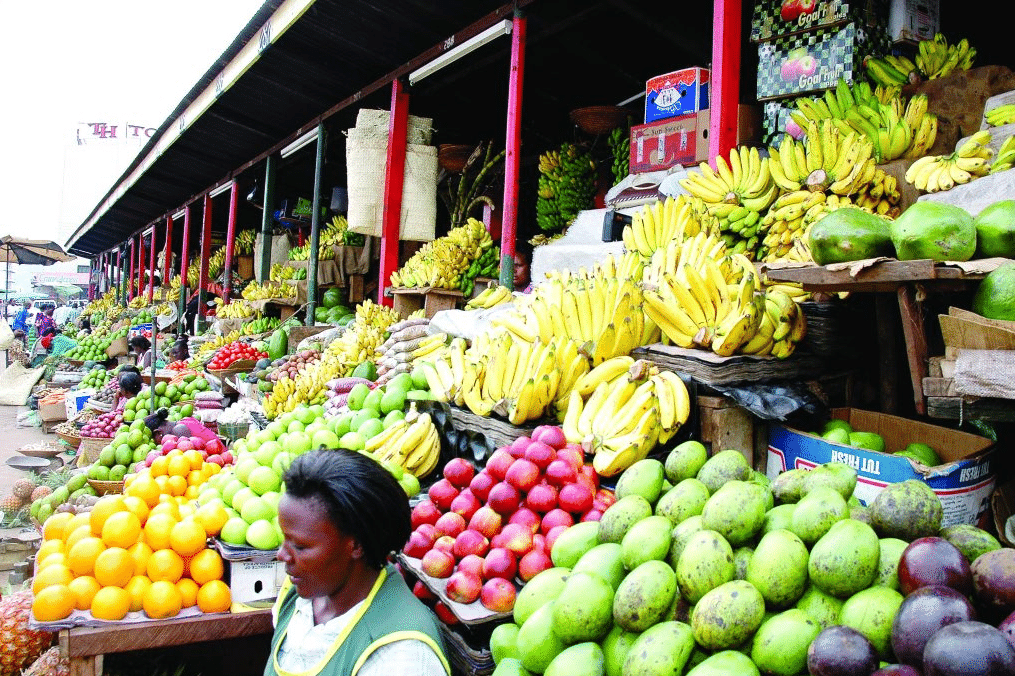
Owino Market, also known as St. Balikuddembe Market, is one of Kampala’s best-known trading areas. It is particularly famous for second-hand clothing, shoes and a wide range of everyday products.
The market can be crowded and lively, so visiting with a guide can help you navigate the area and better understand its role in the city’s economy.
Kampala also has craft shops, galleries and small businesses where visitors can find handmade items, textiles, souvenirs and locally produced products. Where possible, buying directly from artisans is a useful way to support local creativity and livelihoods.
Food is one of the easiest ways to connect with a destination, and Kampala offers plenty of opportunities to sample Ugandan dishes.
Depending on where you eat, you may find:
A food-focused city tour can introduce you to local dishes and the places where residents eat. Let your guide know about any dietary requirements before the experience.
Kampala is home to important religious sites that reflect Uganda’s diverse faith communities.
In addition to Gaddafi National Mosque, visitors may explore Namirembe Cathedral, associated with the Anglican Church, and Rubaga Cathedral, an important Roman Catholic landmark.
These sites offer insight into Uganda’s religious history, architecture and the role faith continues to play in community life. Visitors should dress respectfully and check access arrangements, especially during services and religious events.
Explore selected landmarks, neighbourhoods and cultural sites with a local guide who can explain the city’s history and everyday life.
Learn about the Buganda Kingdom, visit significant heritage sites and discover the traditions that continue to shape Kampala.
Experience the atmosphere of Nakasero or Owino Market, discover local produce and learn about Kampala’s trading culture.
Sample Ugandan dishes, visit local eateries and discover the flavours that make the country’s cuisine distinctive.
Visit selected mosques, cathedrals and other landmarks to understand the city’s religious diversity and history.
Explore local craft outlets and find handmade items to take home while supporting local producers.
Kampala has a varied restaurant scene, from traditional Ugandan food to international cuisine. An evening out can be a good way to experience the city’s contemporary side.
Kampala can be visited throughout the year.
The relatively drier periods are often convenient for walking tours and outdoor sightseeing, although rain can occur at any time. During wetter periods, allow extra time for travel because traffic and road conditions may affect journey times.
For the most comfortable experience, start sightseeing early in the day, particularly if you plan to visit several landmarks or markets. Kampala is a busy city, and allowing flexibility in your schedule will make the experience more enjoyable.
Kampala is served by road connections from Entebbe International Airport and other parts of Uganda. The drive from the airport commonly takes around one to two hours, but traffic can make the journey longer.
Visitors can explore the city by private vehicle with a guide, which is often the most convenient option for visiting several attractions in one day.
Boda bodas are a familiar part of Kampala’s transport system, but traffic conditions can be challenging for visitors unfamiliar with the city. For sightseeing, we generally recommend arranging reliable transport and allowing enough time between stops.
Kampala offers accommodation ranging from budget guesthouses and mid-range hotels to boutique properties and luxury hotels.
The best location depends on your plans. Some travellers prefer to stay near the city centre for sightseeing and business, while others choose quieter neighbourhoods with easier access to restaurants and selected attractions.
Wild Roots Africa Safaris can recommend accommodation that suits your budget, comfort preferences and wider Uganda itinerary.
Kampala offers a different perspective on Uganda from the one you experience in its national parks.
Here, the attractions are the people, food, stories, architecture, markets and cultural traditions that make the country what it is. Exploring the capital gives you context for the places you visit later and introduces you to the many sides of Ugandan life.
Kampala works well as a first stop after arrival, a cultural day before heading into the countryside, or a final experience before departure.
At Wild Roots Africa Safaris, we believe that discovering a country means getting to know more than its landscapes and wildlife.
We can arrange a tailor-made Kampala city tour featuring cultural landmarks, historic sites, markets, local food and other experiences based on your interests. We can also combine the capital with destinations such as Jinja, Sipi Falls, Murchison Falls National Park and other parts of Uganda.
Ready to discover Kampala beyond the usual tourist stops? Contact Wild Roots Africa Safaris and let us plan your city experience in Uganda.