Knowing what to expect on your first African safari makes the experience better. Many first-timers feel excited and a little nervous. That is natural. However, a safari is easier than it sounds when you understand the routine.
This guide focuses on Uganda. You will learn about a typical day, the wildlife, lodges, food and safety. You will also find tips to enjoy the trip without stress.
At Wildroots Africa Safaris, we welcome first-time safari guests every month. Below, we share what they ask most.
A Safari in Uganda Feels Different
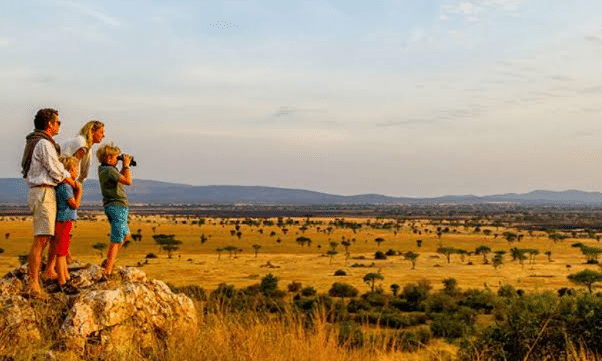
Uganda is not the typical safari picture. You will not see endless open plains everywhere. Instead, you get variety. Savannah parks sit next to rainforests and mountains.
You can track gorillas in the morning. Then you can cruise past hippos in the afternoon. As a result, Uganda suits curious travellers who like adventure.
A Typical Safari Day
Most days follow a similar rhythm.
Early morning: You wake before sunrise. Animals are most active then. You enjoy coffee and a light breakfast.
Morning activity: You go on a game drive, boat cruise or trek.
Midday: You return to the lodge. Lunch and rest follow. The heat peaks, so animals rest too.
Afternoon activity: A second game drive or cultural visit.
Evening: You return at sunset. Dinner and stories by the fire end the day.
Early starts surprise many first-timers. However, the quiet morning light is worth it.
What a Game Drive Is Like
A game drive takes place in a 4×4 safari vehicle. A driver-guide leads. The roof often opens so you can stand and look.
- Duration: Two to four hours
- Pace: Slow, with frequent stops
- Sightings: Elephants, buffalo, antelope, lions and birds
- Dust: Dry months bring dust, so bring a scarf
Guides know animal behaviour well. Therefore, ask questions. They love to share what they know.
You will not see everything on every drive. Wildlife is wild. Patience brings the best rewards.
What Wildlife You Can See
Uganda offers wide variety. Typical sightings include:
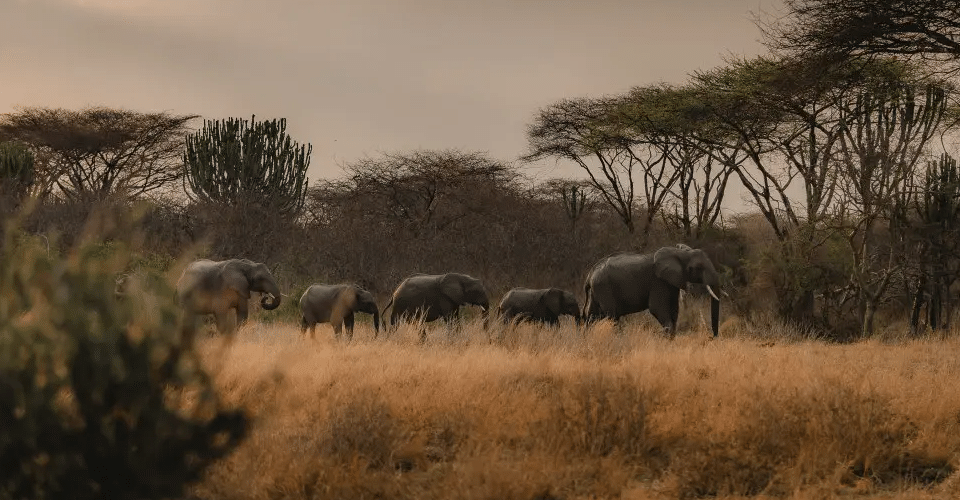
- Elephants: Common in Murchison Falls and Queen Elizabeth
- Lions: Including tree-climbing lions in Ishasha
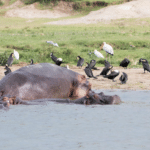
- Hippos and crocodiles: Along the Nile and Kazinga Channel
- Giraffes: Murchison Falls and Kidepo
- Chimpanzees: Kibale Forest
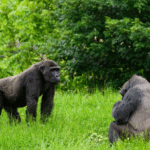
- Mountain gorillas: Bwindi and Mgahinga
- Birds: More than 1,000 species
For a full list of parks, read our top 10 national parks in Uganda.
What Gorilla Trekking Is Like
Gorilla trekking is the highlight for many visitors. Here is the usual process.
- Briefing: Rangers explain the rules at the park office.
- Group assignment: Small groups go to different gorilla families.
- Trek: You hike through forest with rangers and trackers.
- Gorilla time: You spend one hour with the gorillas.
- Return: You walk back and often receive a certificate.
The hike lasts from one to six hours. Trails can be steep and muddy. Porters help carry your bag. The hour with the gorillas is quiet and emotional. Permits cost $800 for foreign non-residents, with $600 in the low season. Check the UWA website for current rates.
Where You Will Stay
Safari accommodation ranges from simple to luxurious.
- Tented camps: Canvas tents with real beds and bathrooms
- Lodges: Rooms or cottages with views and a restaurant
- Guesthouses: Simple, budget-friendly options
- Luxury camps: Private decks, fine dining and spa services
Most lodges are comfortable. Electricity may run on solar or generators. Hot water is usually available at set times. In addition, mosquito nets are standard.
Our guide on how to choose the right safari lodge in Uganda explains how to pick one.
What You Will Eat
Meals are often a pleasant surprise. Lodges serve fresh, varied food.
- Breakfast: Eggs, fruit, pastries and coffee
- Lunch: Salads, grilled meats, pasta or local dishes
- Dinner: Three-course meals with soups and mains
Try local dishes such as matoke, which is cooked banana, and groundnut sauce. Vegetarians and special diets are usually accommodated. Tell your operator early.
Always drink bottled or treated water. Most lodges provide it.
How Early Do You Wake Up?
Expect early mornings. For example:
- Game drives: Start around 6:00 a.m.
- Gorilla treks: Briefings begin about 7:30 a.m.
- Boat cruises: Often mid-morning or afternoon
Bedtime comes early too. Many guests fall asleep by 9:00 p.m. Therefore, bring a light book and a head torch.
The Physical Side
Safaris are not extreme, yet some effort is involved.
- Game drives: Easy, mostly sitting
- Boat cruises: Easy
- Chimp tracking: Moderate walking
- Gorilla trekking: Moderate to strenuous
- Rwenzori hikes: Challenging
Rangers adjust groups to your fitness. Tell them honestly how you feel. In addition, hire a porter if the terrain looks steep.
What to Wear and Pack
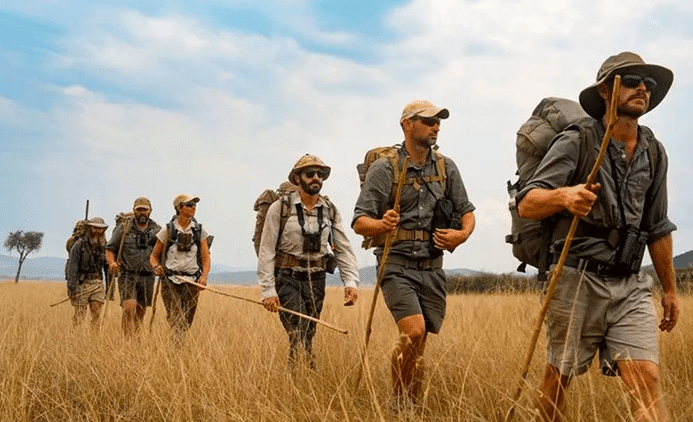
Pack light, neutral clothing. Layers are key. Mornings are cool, and midday is warm.
- Neutral colours: Green, khaki and brown
- Long sleeves and trousers: Protection from insects and plants
- Waterproof jacket: Rain can fall in any month
- Sturdy boots: Essential for treks
- Hat and sunscreen
- Binoculars and camera
For a complete list, read our guide on what to pack for a gorilla trekking adventure.
Safety on Safari
Safaris are well organised, and guides put safety first. Follow these simple rules.
- Stay in the vehicle during game drives unless told otherwise.
- Keep your voice low.
- Never feed animals.
- Follow ranger instructions on treks.
- Keep a safe distance from all wildlife.
On a broader level, travel advice for Uganda changed during 2026 because of a regional Ebola outbreak. Uganda declared its own outbreak over in July. Even so, check official advice and read our Is Uganda safe for tourists? guide. You can also follow updates from the WHO.
Health and Hygiene
Plan your health care before you go.
- Yellow fever vaccine: Required by Uganda
- Malaria prevention: Ask your doctor
- Insect repellent: Use morning and evening
- Hand sanitiser: Use before meals and treks
- Travel insurance: Include medical evacuation
For more detail, see the CDC travel health pages. Apply for your visa through the official Uganda e-visa portal. Our guide on Uganda visa requirements explains the process.
Tipping and Etiquette
Tipping is customary on safari. Ask your operator for guidance. Typical amounts are about $10–$20 per day for guides and drivers, and smaller amounts for lodge staff.
Local etiquette is simple.
- Greet people politely. Greetings matter in Uganda.
- Dress modestly in towns.
- Ask before photographing people.
- Use your right hand when giving or receiving items.
- Be patient. Things often run on “Africa time.”
Connectivity and Power
Mobile coverage is good near towns but patchy in parks. Wi-Fi at lodges can be slow. Therefore, expect a digital break.
Electricity may be limited in remote areas. Bring a power bank and a head torch. Charge devices when power is available.
Realistic Expectations
Set realistic expectations to enjoy the trip.
- Animals are wild. You may not see every species.
- Roads can be bumpy. “African massage” is a common joke.
- Weather varies. Be ready for rain.
- Schedules change. Guides adapt to conditions.
- Rest matters. Do not overpack your itinerary.
For help choosing your trip length, read our guide on how many days you need for a Uganda safari.
Common First-Timer Mistakes
- Overpacking: Small planes have weight limits.
- Wearing bright colours: Neutral tones work better.
- Skipping binoculars: They improve every drive.
- Expecting constant action: Wildlife watching needs patience.
- Forgetting insurance: Medical costs add up.
Final Thoughts on What to Expect on Your First African Safari
What to expect on your first African safari comes down to early mornings, patient wildlife watching and comfortable lodges. In Uganda, you also get gorillas, chimps and rich scenery. Prepare well, keep an open mind and listen to your guide.
Ready to plan your first safari? Browse our Uganda safari packages or request a custom quote. Our team at Wildroots Africa Safaris will guide you every step of the way. For more tourism information, visit Visit Uganda.