How to Plan a Successful Primate Tour in Uganda
Imagine walking through a green tropical forest, listening to birds calling from the trees, and suddenly seeing a family of mountain gorillas resting together in their natural home. A little later, you might hear chimpanzees calling to one another from deep inside the forest. These are the kinds of wildlife experiences that make Uganda such an exciting destination.
Planning primate tours in Uganda is a wonderful way to explore the country’s forests, discover unusual wildlife and learn about nature conservation. However, a successful trip needs more than choosing a beautiful destination. You also need to understand permits, travel times, accommodation, weather and the rules that protect these animals.
The good news is that you do not need to be an experienced safari traveller to plan a memorable adventure. With the right information and a sensible itinerary, you can prepare for a trip that suits your interests, budget and travel style.
This guide explains everything you need to know before organising your Uganda primate safari.
What Is a Primate Tour?
A Primate tour is a wildlife holiday that focuses on observing primates in their natural environment. Primates are a group of mammals that includes humans, gorillas, chimpanzees and monkeys.
Uganda is home to several fascinating primate species, many of which live in tropical forests and protected national parks.
Some of the primates you may encounter include:
-
Mountain gorillas: Powerful but often gentle-looking great apes that live in the mountainous forests of southwestern Uganda.
-
Chimpanzees: Intelligent, social great apes known for their calls, movements and complex relationships.
-
Golden monkeys: Attractive monkeys with golden-orange fur that can be tracked in Mgahinga Gorilla National Park.
-
Black-and-white colobus monkeys: Tree-dwelling monkeys with striking black fur and long white hair.
-
Red-tailed monkeys and L’Hoest’s monkeys: Forest species that visitors may encounter during guided walks.
Not every primate lives in the same place, so choosing the right destination is an important part of your planning.
Gorilla trekking, chimpanzee tracking and monkey watching
Although these activities may sound similar, they offer different experiences.
Gorilla trekking involves walking through forest terrain with trained guides and trackers to find a habituated mountain gorilla family. Once the gorillas are found, visitors following the standard tracking experience are generally allowed a maximum of one hour with them.
Chimpanzee tracking involves following signs and sounds to locate chimpanzees in the forest. The experience can involve walking, listening to their calls and observing their social behaviour.
Monkey watching may take place during guided forest walks or other wildlife activities. You might see monkeys feeding, jumping between branches or moving through the forest canopy.
Wildlife sightings are never completely guaranteed. Animals move freely through their habitats, and the time required to find them can vary.
Why Choose Uganda for a Primate Tour?
Uganda offers a combination of tropical forests, mountain scenery, lakes, savannahs and diverse wildlife. This means a primate-focused holiday can also include other safari experiences.
One of the country’s biggest attractions is the opportunity to track mountain gorillas in Bwindi Impenetrable National Park or Mgahinga Gorilla National Park. Travellers can also explore Kibale National Park, which is well known for its chimpanzee tracking experiences.
Uganda is also suitable for travellers who want more than a single wildlife activity. Depending on the route, you could combine forest trekking with game drives, boat cruises, birdwatching and visits to local communities.
For example, a trip might begin with chimpanzee tracking in Kibale, continue with wildlife viewing in Queen Elizabeth National Park and finish with gorilla trekking in Bwindi.
The most important thing is to allow enough time between destinations instead of trying to fit too many activities into a few days.
Choose the Best Primate Destinations in Uganda
Uganda has several destinations worth considering. Your choice should depend on which primates you most want to see, how many days you have and how much time you are comfortable spending on the road.
The following destinations are based on Uganda Wildlife Authority information and established primate tourism locations.
Bwindi Impenetrable National Park
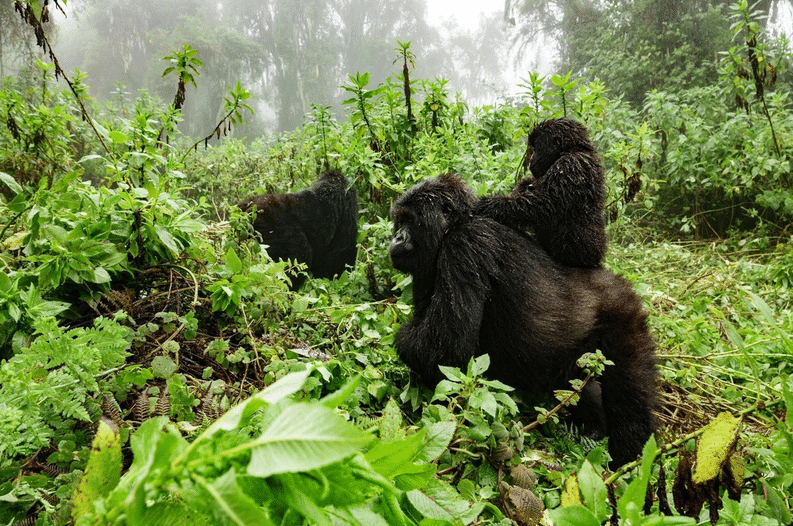
Bwindi is one of the best-known destinations for mountain gorilla trekking. Its thick vegetation, steep hills and mist-covered forest create a memorable setting for a guided wildlife adventure.The trekking experience can be physically demanding because the forest has uneven ground and sometimes muddy trails. The length of the walk depends on where the gorillas are located that day.
When planning your visit, choose accommodation that matches your assigned trekking sector. Bwindi has several sectors, and staying in the wrong area can create unnecessary travel on trekking morning.
Mgahinga Gorilla National Park
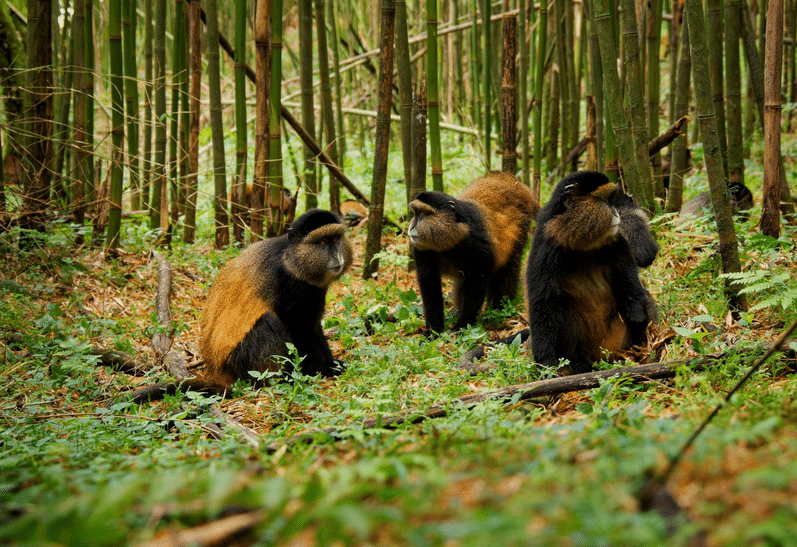
Mgahinga is another destination for mountain gorilla trekking. It is also known for golden monkey tracking, making it a good option for travellers interested in seeing more than one type of primate.
The park lies within the Virunga mountain landscape and offers beautiful views of forested slopes and volcanic peaks.
If you want to combine gorillas and golden monkeys, ask about the availability of both activities before confirming your accommodation and travel dates.
Kibale National Park
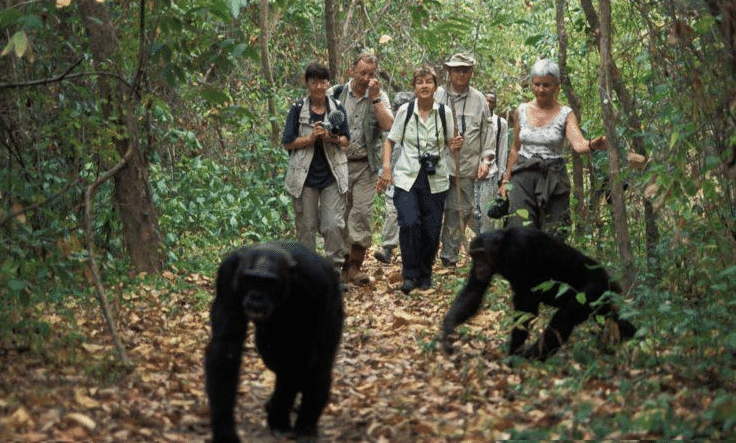
Kibale is a leading destination for chimpanzee tracking in Uganda. Guided walks take visitors into the forest to look for chimpanzees and other primates.
The experience is about more than taking photographs. You may learn how chimpanzees communicate, feed, move through the forest and interact with one another.
Chimpanzee tracking can involve several hours of walking, depending on the animals’ movements and forest conditions. Reserve your activity ahead of time and confirm the current age requirements with the park authority.
Budongo Forest
Budongo Forest is another forest destination associated with chimpanzees. It can be worth considering when planning a wider wildlife trip in northwestern Uganda.
Before including Budongo in your itinerary, confirm which chimpanzee activities are operating on your travel dates, whether permits are available and how the forest fits into your route.
Kyambura Gorge in Queen Elizabeth National Park
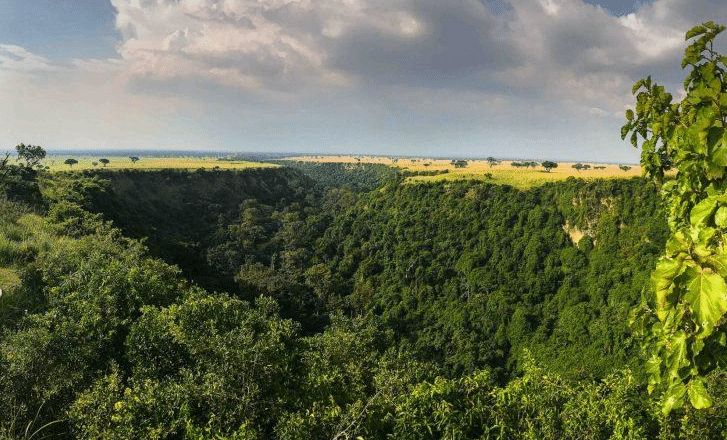
Kyambura Gorge offers a different setting for chimpanzee tracking. Rather than exploring only a broad forest landscape, visitors descend into a green gorge surrounded by the savannah scenery of Queen Elizabeth National Park.
You can consider adding this experience to a trip that includes game drives or a boat cruise. However, confirm the availability of chimpanzee tracking before building your itinerary around it.
Choose the Best Time to Visit Uganda
Uganda can be visited throughout the year, but the weather may influence your experience.
The country generally has two drier periods, around December to February and June to September, and wetter periods, particularly around March to May and October to November. Exact conditions vary by region, altitude and year.
Visiting during the drier months
The drier months are popular with travellers because forest trails may be easier to navigate and road journeys can be more comfortable.
However, rain can still fall in tropical forests, even during a generally dry period. You should carry waterproof clothing regardless of when you travel.
These months can also be busy, so book permits and accommodation well in advance.
Visiting during the wetter months
The wetter months can bring lush green scenery and quieter travel conditions. However, trails may become slippery, and some road journeys can take longer.
If you travel during this period, bring waterproof gear, allow extra time between destinations and remain flexible if weather conditions change.
There is no month that guarantees a perfect trek or a wildlife sighting. The best time for you depends on your priorities, schedule and willingness to travel in different weather conditions.
Before departure, check current weather forecasts and ask your safari operator about local road and trail conditions.
Understand Permits, Prices and Booking Requirements
Permits are one of the most important parts of planning a primate tour in Uganda.
A gorilla trekking permit authorises an eligible visitor to participate in a scheduled gorilla tracking activity. A chimpanzee tracking permit provides access to a designated chimpanzee tracking experience under the relevant park rules.
These permits are different from your accommodation reservation or the overall cost of your safari.
Why should you book permits early?
Gorilla and chimpanzee tracking have limited visitor capacity. Permits are linked to specific dates and locations, so waiting until the last minute can limit your choices.
A sensible booking process is to:
-
Decide which primates you want to see.
-
Choose your approximate travel dates.
-
Check permit availability through the appropriate official channels or a reliable safari operator.
-
Confirm the permit details before making non-refundable travel arrangements.
-
Arrange accommodation and transport around the confirmed activities.
Uganda Wildlife Authority publishes information about tracking rules and permit arrangements. Its official website is ugandawildlife.org. Foreign non-residents should also check the Authority’s current guidance on purchasing permits through licensed tour operators.
Check age requirements before booking
Uganda’s published guidance sets the minimum age for gorilla tracking at 15 years. Published chimpanzee age guidance has varied between official pages and documents, so confirm the current rule for your specific destination before booking.
Always check the latest permit prices, eligibility requirements, cancellation policies and rescheduling conditions. Do not rely on an old price list or assume a permit is available simply because a date appears open on a travel website.
Choose the Right Accommodation and Transport
Where you sleep and how you travel can make a significant difference to your safari experience.
Accommodation options
-
Budget accommodation: Suitable for travellers who want to keep costs down and prioritise the wildlife activities. Facilities may be simpler.
-
Mid-range lodges: Often offer a balance between comfort, convenience and price.
-
Luxury lodges: May provide larger rooms, more extensive facilities, scenic settings and additional services, depending on the property.
For gorilla trekking, staying near your assigned trekking starting point is particularly helpful. It reduces the need for an early morning drive and makes it easier to arrive for the briefing on time.
Check whether meals, drinking water, transfers and other services are included in your accommodation quote.
Choosing transport
A private safari vehicle with a knowledgeable driver-guide can make a multi-destination journey easier to manage. You can discuss rest stops, road conditions and changes to your schedule along the way.
Domestic flights may be useful for some routes, but you will still need ground transfers between airstrips, lodges and park headquarters.
Pack luggage that is easy to handle, and avoid overloading your vehicle with unnecessary items. For long road journeys, carry water, snacks, essential medication and any travel documents you may need.
What to Pack for a Primate Tour in Uganda
comfortable hiking boots
Long-sleeved clothing and long trouser
Waterproof jacket
Suitable hiking or gardening gloves
Small backpack and reusable water bottle
Sunscreen and insect repellent
Follow Primate Trekking Rules and Responsible Tourism Practices
Responsible tourism means enjoying wildlife while helping protect the animals, their habitat and the people who live nearby.
Mountain gorillas and chimpanzees can be vulnerable to human illnesses. For this reason, visitors must follow the health precautions and wildlife rules given by park authorities.
Remember these important practices:
-
Listen carefully to your ranger or guide and follow instructions throughout the activity.
-
Maintain the distance required by the current park rules. Uganda’s published guidance specifies a minimum distance of 10 metres for gorillas and chimpanzees, but follow any updated or stricter instructions given by rangers.
-
Never touch, feed, chase or attempt to attract a wild primate.
-
Keep your voice low and avoid sudden movements.
-
Do not litter or leave personal items behind.
-
Do not use flash photography where prohibited.
-
If you feel unwell, especially with a cold or other potentially infectious illness, inform your operator before the activity and follow the park authority’s advice.
Standard gorilla and chimpanzee tracking visits generally allow up to one hour with the animals once they are located. Special habituation experiences have different arrangements and should be booked separately
Responsible tourism can also support local communities through jobs, accommodation, guiding services, transport and community-based experiences. Treat local people with respect, ask permission before taking photographs and learn about the customs of the places you visit.
Prepare for the Physical Demands of Trekking
You do not need to be an expert hiker to consider a primate tour, but you should understand that forest trekking can be physically demanding.
Some walks are relatively manageable, while others involve steep slopes, uneven ground, slippery paths and several hours of walking. The duration depends partly on where the primates are located.
Before travelling, consider these practical steps:
-
Build regular walking into your routine before your holiday.
-
Practise wearing the footwear you intend to use.
-
Tell your safari operator about mobility concerns or other special requirements before booking.
-
Ask about the expected terrain, approximate duration and available assistance.
-
Arrange suitable travel insurance and check current travel-health advice, including recommended vaccinations and mosquito precautions.
If you have a health concern that could affect your ability to trek, seek appropriate medical advice before making a booking. Your operator can help you understand the activity, but should not replace professional medical guidance.
How Much Does a Primate Tour in Uganda Cost?
There is no single price for every Uganda primate safari. The total cost depends on what you want to do, when you travel, how many people are in your group and the standard of accommodation you choose.
The main expenses usually include:
-
Gorilla, chimpanzee or golden monkey permits.
-
Accommodation and meals.
-
A safari vehicle, fuel and driver-guide services.
-
Airport transfers and other transport.
-
Park activities and any applicable entrance fees.
-
Travel insurance, personal expenses and optional activities.
Budget, mid-range and luxury travel
A budget trip focuses on essential services and simpler accommodation. A mid-range safari balances comfort with cost, while a luxury trip may include premium lodges, private transport and additional services.
To compare quotations fairly, check exactly what each package includes. A cheaper quotation may exclude meals, transfers, park fees or other services that you would otherwise need to pay for separately.
Permit prices and booking conditions can change, so request an itemised quotation based on your actual travel dates and eligibility category. Confirm the payment schedule, cancellation terms and what happens if your travel plans change.
The best safari is not necessarily the most expensive one. It is the one that fits your budget while allowing enough time to enjoy the experiences you have chosen.
Common Mistakes to Avoid When Planning a Primate Safari
Even a well-planned holiday can become stressful if you overlook a few important details. Avoid these common mistakes when arranging your trip.
1. Booking permits too late. Popular trekking dates can fill up, so check availability before confirming the rest of your arrangements.
2. Visiting too many destinations. Uganda’s parks are spread across different regions. Choose a manageable route instead of trying to visit every destination in a short holiday.
3. Underestimating driving times. A journey that looks short on a map can take longer because of road conditions, traffic and stops. Leave room in your schedule for delays.
4. Wearing unsuitable footwear. Ordinary sandals or smooth-soled shoes may be uncomfortable on muddy forest trails. Choose supportive footwear with good grip.
5. Ignoring park regulations. Failing to follow wildlife rules can put both visitors and animals at risk. Listen to your guides throughout the activity.
6. Overlooking cancellation policies. Read the terms for permits, accommodation, transport and flights before making payments.
7. Forgetting your personal needs. Think about your fitness, dietary requirements, mobility, travel dates and preferred accommodation before selecting an itinerary.
A little preparation can help you avoid unnecessary costs and enjoy a more relaxed experience.
Frequently Asked Questions About Primate Tours in Uganda
1. How many days do you need for a primate tour in Uganda?
Three to five days may suit a trip focused on one main primate destination, depending on your arrival point and travel arrangements. Combining Kibale, Queen Elizabeth and Bwindi usually requires additional time, particularly if you want a relaxed return journey.
2. Is Uganda good for gorilla and chimpanzee trekking?
Yes. Uganda offers mountain gorilla trekking in Bwindi Impenetrable National Park and Mgahinga Gorilla National Park, as well as chimpanzee tracking in Kibale National Park and other designated locations.
3. What is the best time to visit Uganda for primate tracking?
The generally drier periods, around December to February and June to September, are popular because trails may be easier to navigate. However, tracking is possible at other times, subject to activity availability and local conditions. Rain can occur throughout the year.
4. Do you need a permit to see gorillas or chimpanzees?
Yes, standard guided gorilla trekking and chimpanzee tracking activities in Uganda require the appropriate permit or authorisation. Confirm current prices, availability and booking procedures with Uganda Wildlife Authority or an appropriate licensed operator.
5. Is primate trekking suitable for beginners?
It can be suitable for people who are new to trekking, provided they understand the physical demands and meet the activity requirements. Forest walks may involve steep, muddy and uneven terrain. Discuss your fitness and mobility needs before booking.
6. What should you wear for gorilla trekking?
Wear sturdy hiking boots, long trousers, a long-sleeved shirt and a waterproof jacket. Hiking gloves can be useful, and a small backpack can carry your water and other essentials. Follow your guide’s recommendations for the specific trek.
7. Can you combine primate trekking with a traditional wildlife safari?
Yes. You can combine primate activities with game drives, boat cruises and other wildlife experiences. Queen Elizabeth National Park is one option for adding savannah wildlife viewing to a trip that includes chimpanzee tracking or gorilla trekking.
Conclusion: Start Planning Your Primate Tour in Uganda
A successful primate holiday begins with choosing the right destinations, checking permits early and allowing enough time to enjoy each experience. Whether you dream of observing mountain gorillas in Bwindi, following chimpanzees through Kibale’s forest or seeing golden monkeys in Mgahinga, thoughtful planning will help you make the most of your adventure.
Remember to choose accommodation near your activity starting points, prepare for changing weather, pack suitable walking equipment and respect the rules that protect Uganda’s wildlife.
Most importantly, create an itinerary that suits your interests, budget, travel dates and fitness level. You do not need to rush from one park to another to have a rewarding safari.
Ready to plan your primate adventure? Contact Wildroots Africa Safaris to discuss your travel plans and explore a personalised Uganda primate safari itinerary. Share your preferred travel dates, the primates you hope to see, the number of days available and your budget so that your proposed trip can be planned around your needs.