Uganda’s bird watching destinations are among the best in Africa. More than 1,000 species have been recorded in a country about the size of Great Britain. As a result, birders from around the world visit every year.
This guide covers the top spots. You will learn which species to look for, when to go and how to plan. You will also find practical tips for beginners and experts.
At Wildroots Africa Safaris, we arrange birding trips with expert guides. Below, we share the best places.
Why Uganda Is a Birding Hotspot
Uganda sits at the meeting point of several habitats. The country has savannah, rainforest, wetlands and mountains. Species from East, West and Central Africa overlap here. In addition, the Albertine Rift is rich in endemic birds.
Uganda is also compact. You can reach many habitats within a few days. Therefore, a birding trip can be productive and efficient.
A Note on Current Travel Conditions
Governments changed Uganda travel advice during 2026 because of a regional Ebola outbreak. Uganda declared its own outbreak over in July. Check your government’s advice, and read our Is Uganda safe for tourists? guide.
1. Mabamba Swamp
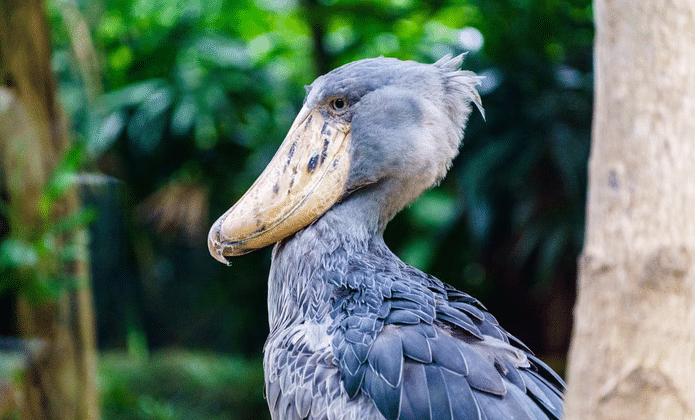
Mabamba Swamp is the top spot for shoebills. It lies near Entebbe, on the shore of Lake Victoria. You travel by motorised canoe through papyrus channels.
- Target bird: Shoebill stork
- Other birds: Blue-breasted bee-eater, papyrus gonolek, jacanas and herons
- Activity: Early morning canoe trips
- Time needed: Half a day
The shoebill is huge and prehistoric-looking. Sightings are common but never guaranteed. Dry months often help. Bring a hat, sunscreen and binoculars.
2. Bwindi Impenetrable National Park
Bwindi is a global birding hotspot. It holds many Albertine Rift endemics.
- African green broadbill
- Handsome francolin
- Red-throated alethe
- Short-tailed warbler
- Many sunbirds and bushshrikes
The Ruhija sector is especially good. Trails are less strenuous than gorilla treks. Therefore, birders can enjoy long, quiet walks. Combine birding with gorilla trekking for a great trip.
3. Queen Elizabeth National Park
Queen Elizabeth records over 600 species. Habitats include savannah, wetlands, forest and crater lakes.
- Kazinga Channel: Pelicans, storks, kingfishers and fish eagles
- Mweya Peninsula: Water birds and savannah species
- Maramagambo Forest: Forest specials
- Ishasha: Raptors and plains birds
Boat cruises give easy views. Moreover, you can watch elephants and hippos at the same time. For park details, visit the Uganda Wildlife Authority.
4. Murchison Falls National Park
Murchison is another excellent site. The Nile and surrounding savannah shelter many species.
- Shoebill: Seen in the Nile delta
- Rock pratincole: A river specialist
- Red-throated bee-eater: Colourful and noisy
- Abyssinian ground hornbill: A savannah giant
- Standard-winged nightjar: Seasonal and spectacular
The delta boat trip is a highlight. Early mornings give the best light and sightings.
5. Kibale National Park
Kibale is famous for primates, yet birders love it too. The forest holds many Guinea-Congo specials.
- Green-breasted pitta, a rare and prized sighting in some seasons
- African grey parrot
- Many forest sunbirds and greenbuls
Nearby Bigodi Wetland Sanctuary adds easy walking and swamp birds. It is community-run, so your fee supports locals. Read our guide to chimpanzee trekking in Kibale Forest for more on the park.
6. Semuliki National Park
Semuliki is an extension of Central African forest. It holds species found nowhere else in Uganda.
- Sassi’s olive greenbul
- Red-billed dwarf hornbill
- Yellow-throated cuckoo
- Congo serpent eagle
- Various flycatchers and malimbes
Birders often hire specialist guides here. The forest is dense, and calls help locate species. The hot springs add interest too.
7. Lake Mburo National Park
Lake Mburo offers savannah and lake birds.
- African finfoot
- Red-faced barbet
- Crested francolin
- Many bee-eaters and weavers
Walking and boat trips both work well. The park is close to Kampala, so it suits short trips.
8. Kidepo Valley National Park
Kidepo is remote, but it rewards visitors with unique birds.
- Ostrich
- Secretary bird
- Kori bustard
- Karamoja apalis
- Many raptors
Dry-country species appear here and nowhere else in Uganda. Therefore, serious birders add Kidepo to their lists.
9. Budongo Forest
Budongo lies near Murchison Falls. It is a lowland rainforest with excellent birds.
- Puvel’s illadopsis
- Chocolate-backed kingfisher
- Many hornbills and greenbuls
The Royal Mile, a wide forest track, makes birding easy. Guides lead walks in the morning. You may also see chimpanzees.
10. Entebbe Botanical Gardens and Lake Victoria Shore
Entebbe’s gardens are great for a first or last day. Species include:
- Great blue turaco
- Black-and-white casqued hornbill
- Weavers and sunbirds
The gardens are close to the airport. As a result, they fit easily into travel days.
11. Echuya Forest and Mgahinga
Echuya Forest near Kisoro has a special swamp bird, Grauer’s swamp warbler. Mgahinga’s bamboo and montane forest hold more Albertine Rift species. Together, they suit specialist birders.
12. Mabira Forest
Mabira lies between Kampala and Jinja. It is easy to reach. Birds include forest species such as hornbills and turacos. Therefore, it suits a short day trip.
Species Lists and Rare Targets
Uganda’s bird list includes many sought-after species.
- Shoebill: Top target for most visitors
- African green broadbill: Bwindi
- Green-breasted pitta: Kibale, seasonal
- Standard-winged nightjar: Murchison, seasonal
- Great blue turaco: Widespread in forests
- Black bee-eater: Forest edges
- Papyrus gonolek: Wetlands
Ask your guide about recent sightings. Local guides share tips and locations. For species information, visit eBird.
Best Time for Bird Watching
Birding works all year. However, timing helps.
- November to April: Migratory birds arrive. Species counts peak.
- Dry months (June to September, December to February): Easier trails and clearer views.
- Wet months: Many birds breed, so activity rises. Trails are muddier.
Early morning is best in every season. Therefore, plan early starts. Read our guide to the best time to visit Uganda for a wildlife safari for seasonal advice.
Choosing a Birding Guide
A good guide adds hugely to your trip.
- Look for local experts with strong bird knowledge
- Ask about their species lists and experience
- Check that they know bird calls
- Confirm they use ethical practices
Ethical birding means not using excessive call playback. It also means keeping a safe distance. For global guidance, see BirdLife International.
What to Pack for Birding
- Quality binoculars (8×42 is common)
- Field guide or app
- Camera with long lens
- Lightweight, neutral clothing
- Rain jacket
- Hat and sunscreen
- Notebook or checklist
- Insect repellent
Our guide on what to pack for a gorilla trekking adventure covers clothing and gear.
Sample Birding Itineraries
7-Day Highlights
Day 1: Mabamba Swamp for shoebills.
Day 2: Drive to Kibale.
Day 3: Kibale and Bigodi Wetland.
Day 4: Queen Elizabeth.
Day 5: Kazinga Channel cruise.
Day 6: Bwindi.
Day 7: Return.
14-Day Comprehensive Trip
Add Murchison Falls, Budongo, Semuliki, Lake Mburo and Kidepo. This route covers most habitats.
Combining Birding With Other Activities
Birding fits well with other activities.
- Gorilla trekking: Bwindi is a birding site too
- Game drives: Birds appear on every drive
- Boat cruises: Excellent for waterbirds
- Scenic stops: Lakes and waterfalls
For other ideas, read our guide to Uganda’s waterfalls, lakes and mountain landscapes.
Practical Tips
- Start early. Birds are most active at dawn.
- Be patient. Stillness brings results.
- Listen first. Calls often reveal birds.
- Use a spotting scope for waterbirds.
- Keep records. Apps help log sightings.
- Respect nesting areas.
- Buy insurance and check vaccines. See the CDC travel health pages.
- Apply for your visa early. Use the Uganda e-visa portal.
For tourism details, visit Visit Uganda.
Final Thoughts on Bird Watching Destinations in Uganda
Bird watching destinations in Uganda suit every level, from beginners to serious listers. Mabamba gives you shoebills. Bwindi gives you endemics. Queen Elizabeth gives you variety. Moreover, each site offers wildlife and scenery too.
Plan around your target species. Then hire a good guide and start early.
Ready to book? Browse our Uganda safari packages or request a custom quote. Our team at Wildroots Africa Safaris will build a birding trip around your target list.